0 items
view cart

What are the differences between THC and CBD?
Reading time
⌛
4 min
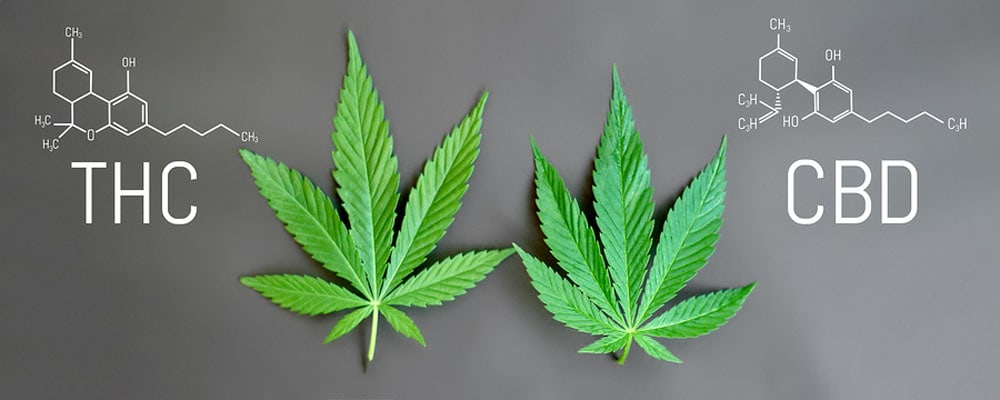
Cannabidiol (CBD) and tetrahydrocannabinol (THC) are the two most abundant natural molecules in Cannabis Sativa L. (Hemp).
Although they are the most prevalent, they are only a fraction of the many (probably 200) compounds in the cannabis plant.
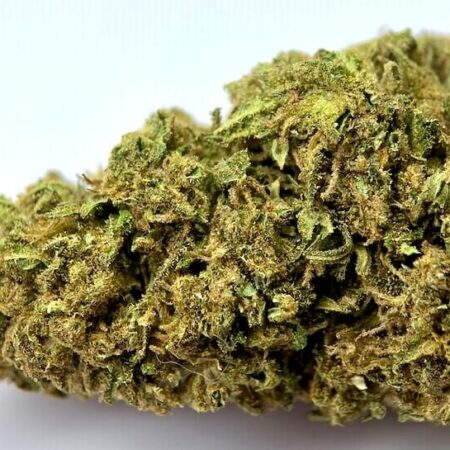
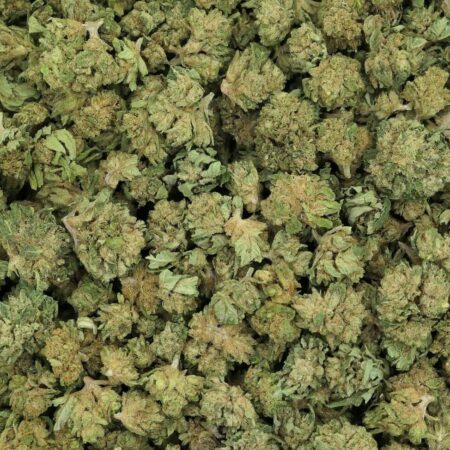
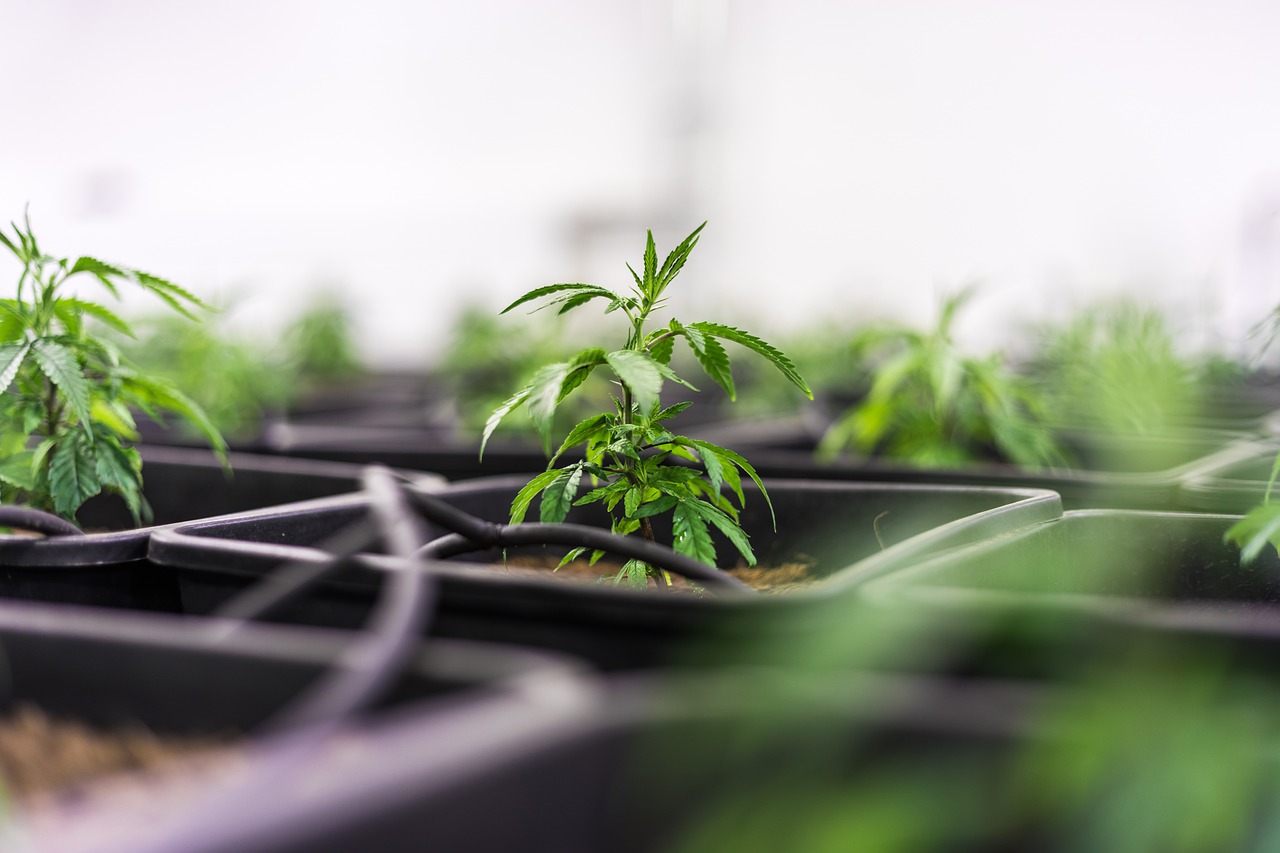
Cannabidiol is not classified as a substance in its own right (only as a compound found in cannabis extracts). In Europe, CBD is extracted from hemp. Hemp is a legal variety of Cannabis Sativa L. containing less than 0.3% THC , unlike illegal cannabis varieties which contain much higher concentrations of THC. CBD, like THC, is available in the form of flowers, oils, crystals, extracts, candies, etc.
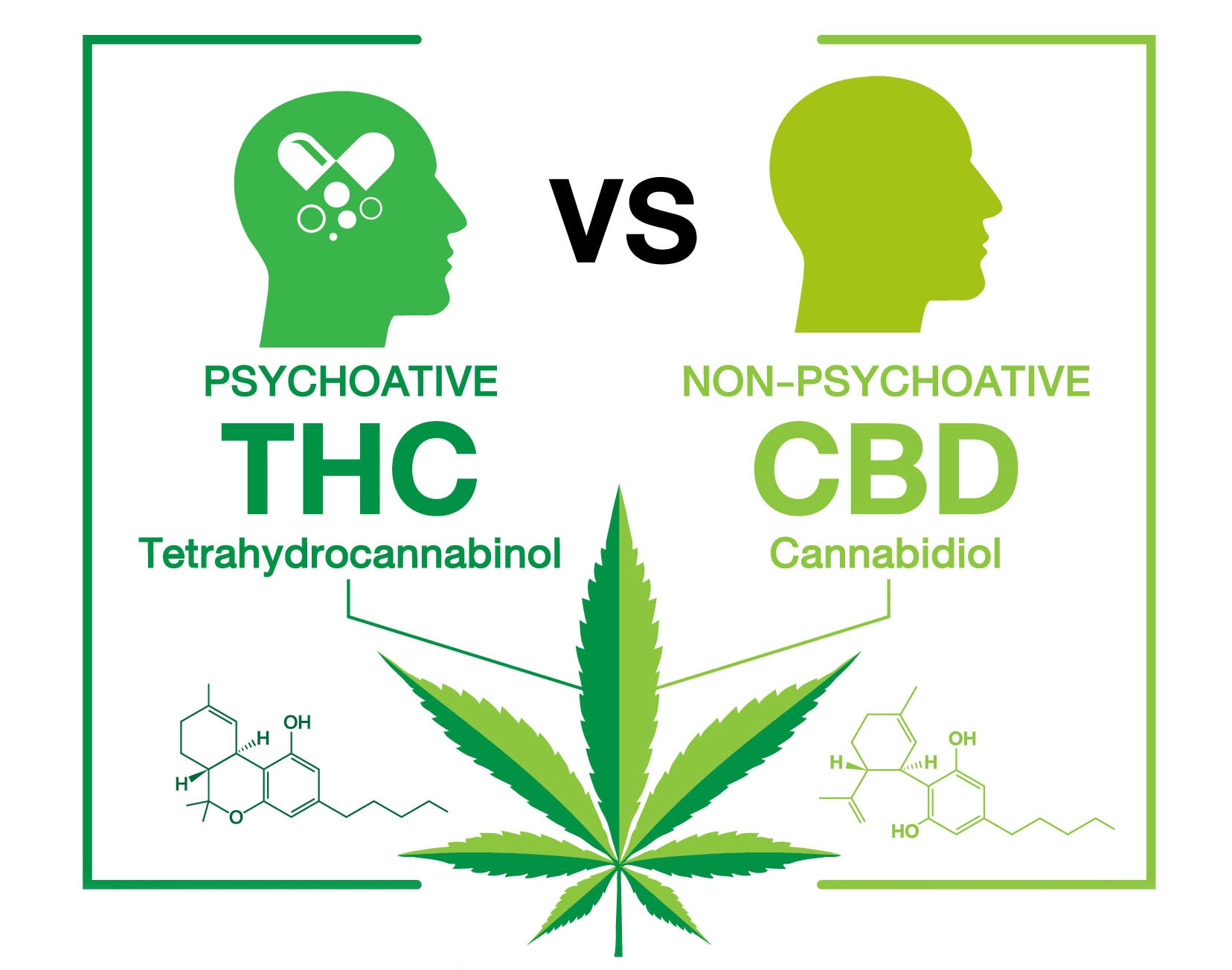
THC is the best-known psychoactive component of cannabis ; it is responsible for altering consciousness: stoned, high, it makes you "float".
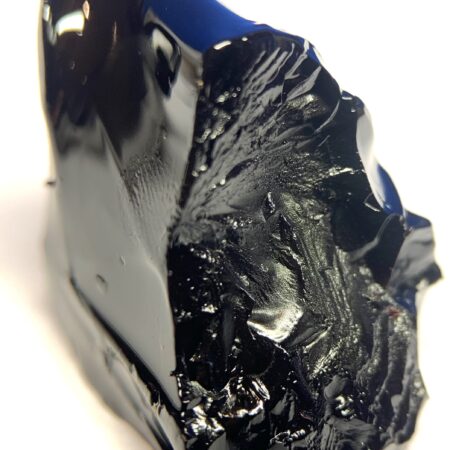
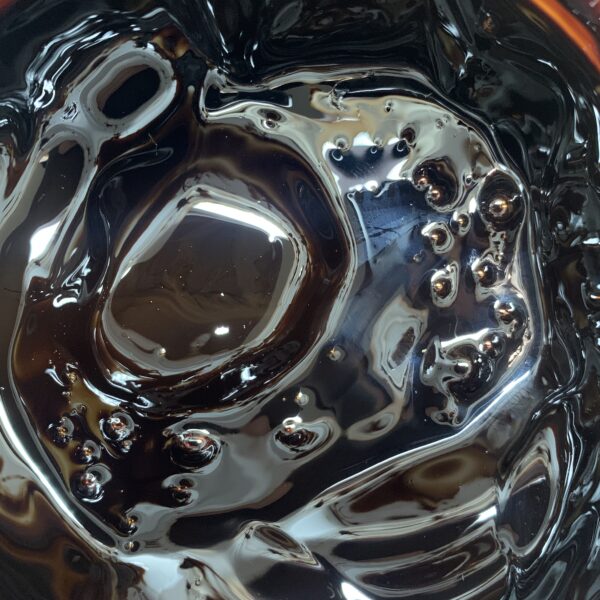
When discussing recreational cannabis use, we are generally referring to a product rich in THC. (From 3% to 30% THC for herb, with an average of 11%, and from 7% to 85% for resin).
These two cannabinoids have an effect on our body, and more specifically on our endocannabinoid system (the system which maintains our body's equilibrium, such as body temperature, blood sugar levels, heart rate...).
However, they have different effects.
CBD vs THC in brief
| CBD | THC | |
| Psychoactive effect | No | Yes |
| Legality (France) | Légal (<0,3 % THC) | Amazing |
| Desired effects | Relaxation, anti-anxiety, etc. | "High," euphoria, altered sensory perception |
| Side effects |
|
|
| Name | Hemp | Cannabis |
Difference in legislation
Cannabis is generally prohibited in the EU. Exceptions include Portugal (where possession of up to 25 grams is decriminalized and punishable by a simple fine). The Netherlands allows consumers to have and use cannabis at home or in private spaces such as coffee shops. In Spain , possession or consumption of cannabis is also permitted only in private places and "cannabis clubs." Cultivating cannabis plants is allowed on private property.
Overall, the use and possession of THC cannabis is punishable by penalties ranging from a reminder of the law to a prison sentence.
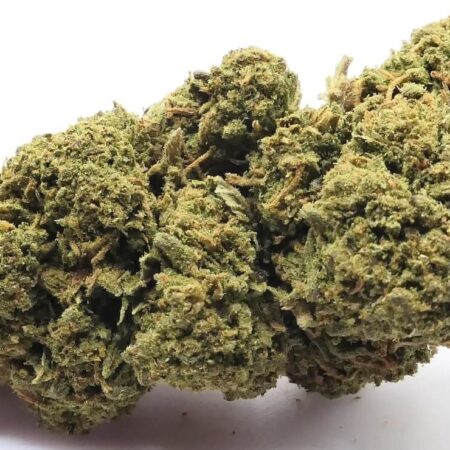
CBD products are legal in the European Union and therefore legal in France, provided they contain less than 0.3% (or 0.2% depending on the country) of THC and are produced using authorized hemp seeds.
"In France, there's no question of highlighting the differences between CBD and THC, or extolling the therapeutic benefits of the former. In France, cannabidiol cannot be considered a medicine, and must remain what it officially is: a dietary supplement."
Although legal in France as long as it contains less than 0.3% THC, CBD cannot be smoked as a joint, due to the pulmonary risks involved. To enjoy the effects of CBD, please turn to vaporizing or ingesting CBD in oil or capsule form.
CBD and THC: what do the scientific studies say?
Scientific studies have concluded that CBD, like THC, has beneficial properties .
According to the same studies, CBD could soothe inflammation, pain, mental disorders, gastric disorders, nausea (chemotherapy), migraines, depression and anxiety. Its properties could also be beneficial for muscle recovery in athletes, and alleviate a number of pathologies.
Some scientific studies claim that THC has effects on insomnia, appetite, muscle spasms (multiple sclerosis), glaucoma, and anxiety.
The combined use of CBD and THC potentially produces more effects than separate use.
For example, in a study from California Pacific Medical Center, researchers found that the combination of CBD and THC produced greater antitumor effects when applied to breast and brain cancer cell lines than when used alone. The study also found that patients suffering from cancer-related pain had better tolerance to drugs combining THC and CBD.
Side effects of THC and CBD
Possible side effects of CBD
The CBD molecule is generally well tolerated and does not cause dangerous side effects . As the WHO indicates, it can cause:
- Nausea or hunger
- Headaches
- Fatigue and drowsiness
- Dry mouth
- Drug interactions
However, these effects are quite rare and short-lived, even with heavy consumption. Furthermore, CBD can even mitigate the negative effects of THC.
Possible side effects of THC
Unlike CBD, THC can have several serious side effects , some of which may be irreversible.
Temporary side effects:
- Increased heart rate
- Coordination problems
- Dry mouth
- Red eyes
- Reduced reactivity
- Short- and long-term memory loss
Permanent side effects:
To date, THC, even in high doses, is considered to pose a limited risk to adults. However, it is much more dangerous for adolescents because it interferes with their neuronal development. THC can trigger latent psychiatric problems, such as schizophrenia, whereas CBD may be beneficial . The same applies to attention deficit hyperactivity disorder (ADHD).
FAQ
Is CBD psychoactive?
No, CBD is not psychoactive. Unlike THC, it does not cause a "high," altered consciousness, or euphoria. It acts on the endocannabinoid system without changing perception or mental faculties. This lack of psychotropic effects justifies its legality in France and the European Union.
Does CBD contain THC?
Yes, CBD products can contain traces of THC, but in strictly regulated amounts. In France, the legal limit is set at a maximum of 0.3% THC. At this concentration, no psychoactive effects are possible; this is simply the regulatory limit that distinguishes legal CBD from illegal cannabis.
Is CBD dangerous?
No, in adults, CBD is considered safe and well-tolerated by the World Health Organization. It does not cause addiction, habituation, or serious side effects. Some mild effects may occur (drowsiness, dry mouth, fatigue), and it can interact with certain medications. If you are currently taking any medication, it is best to consult your doctor.
Is it safe to drive after consuming CBD?
CBD itself does not impair driving ability, but driving after consuming it is strongly discouraged. Since CBD products contain up to 0.3% THC, roadside saliva tests, which detect THC without a tolerance threshold, may give a positive result. The legal risks are real: license suspension, fines, and even prosecution.
Does CBD show up in screening tests?
Drug tests do not target CBD, but THC. Since CBD products can contain up to 0.3% THC, regular or recent use may be enough to trigger a test. This is therefore a crucial point to be aware of during workplace or roadside checks.