0 items

THC in Europe
Reading time
⌛
3 min
Legislation regarding THC levels varies across the European Union, as is also the case for CBD derivatives. Sometimes strict, sometimes lenient, let's take a closer look to better understand our European neighbors and their regulations. The THC level determines whether cannabis is a legal or illegal substance derived from the cannabis plant (Cannabis sativa). The legal THC limit in France is 0.3%; above this threshold, the plant or product is considered illegal and therefore punishable.
However, many differences remain within the European Union depending on whether or not one crosses a bcheckout. Nine member states impose fines for possession of small quantities of drugs, while others provide for prison sentences.
And recently Luxembourg, a small European country, has distinguished itself by wishing to allow the authorization and cultivation of recreational cannabis by 2023 in checkout to limit trafficking so as "not to support the entire illegal chain, from production to sale via transport, where there is a batch of suffering" according to the Luxembourg Minister of Justice.
What is the legal THC limit in Europe?
Let's remember the key difference between cannabis for usarecreational THC, or tetrahydrocannabinol, is the molecule responsible for the main psychoactive effects of cannabis. It acts like the cannabinoids naturally produced by our bodies in certain parts of the brain associated with thinking, memory, pleasure, coordination, and time perception. THC binds to these receptors and activates them, thus creating effects on a person's memory, movements, thinking, concentration, coordination, and time perception.
One of these cannabinoids is CBD, or cannabidiol, which works in conjunction with THC, but is quite different. There are many others, such as CBN (cannabinol) and CBG (cannabigerol).
CBD is a naturally occurring molecule found in cannabis, discovered over seventy years ago, and its effects have been studied by scientists ever since. CBD is believed to have a calming effect, reduce stress, and improve sleep while avoiding a psychoactive effect, unlike THC (tetrahydrocannabinol). In France, CBD is legal for consumption with a THC content of 0.3%.
The most widespread THC tolerance rate in the European Union is less than 0.2%.
- Austria and Luxembourg allow CBD products with a THC content of up to 0.3%.
- In Switzerland, CBD with a THC content of less than 1% is legal.
- CBD is illegal in Slovakia and Lithuania.
France authorizes products with CBD isolate (0.3% THC) but also tolerates raw flowers, genetics from the European catalogue, under 0.3% THC.
And what about the legislation on CBD in Europe?
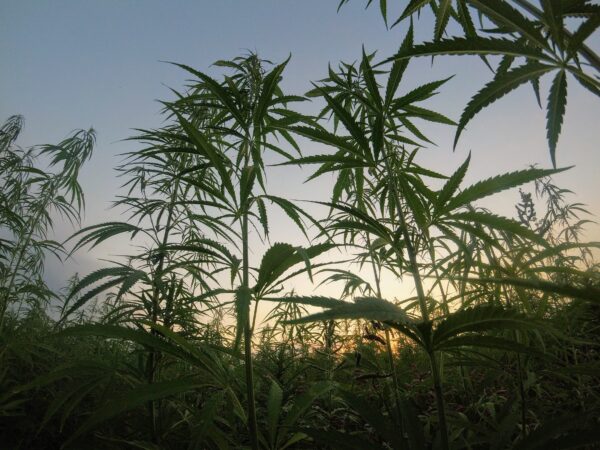
It's worth remembering that CBD is a molecule derived from hemp and also found in cannabis. However, CBD is not an illegal substance and does not create addictive effects or psychotropic sensations. As with any molecule that acts on the body, it's necessary to take precautions and be mindful of the dosage consumed.
CBD has been permitted for sale since 2018. This constituent molecule of cannabis is subject to strict regulations: its THC level must not exceed 0.3%.
It was the European Court of Justice that ruled on the legality of selling CBD within the European Union. And as a supranational court, its decision applies to all EU member states. This is how France's attempt to ban it was rejected.
A number of countries have nevertheless decided to adjust the conditions for the commercial sale of CBD products by limiting the legal concentration to 0.3% or less. A higher concentration would be sufficient to classify the product as illegal and therefore considered a narcotic. France and Cyprus, among others, have implemented this adjustment.
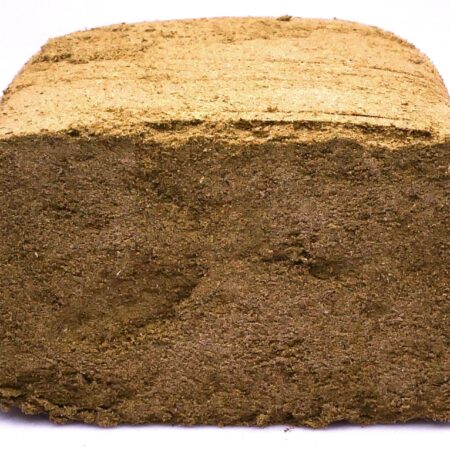
What are the risks of possessing THC?
If you are found in possession of a product containing more than 0.2% THC and are stopped by law enforcement (saliva test), you will face a fixed fine of €200 for drug use, which is the most common penalty (reduced to €150 if paid promptly, within 15 days). This also results in a criminal record. Driving under the influence of THC cannabis carries harsher penalties, a direct consequence of the dangerous behavioral changes caused by tetrahydrocannabinol. Trafficking THC cannabis is also severely punished, with fines and prison sentences varying depending on the nature and size of the operation.
Sources
- [1]
- [2]