0 items

CBD and saliva test
Reading time
⌛
4 min
CBD, which has become very popular since its market authorization,is used by consumers for its relaxing effects. Completely legal in France, CBD is not considered illegal. However, you might wonder if CBD can be detected in drug tests? And how should you handle a roadside check if you are in possession of CBD?
What is CBD?
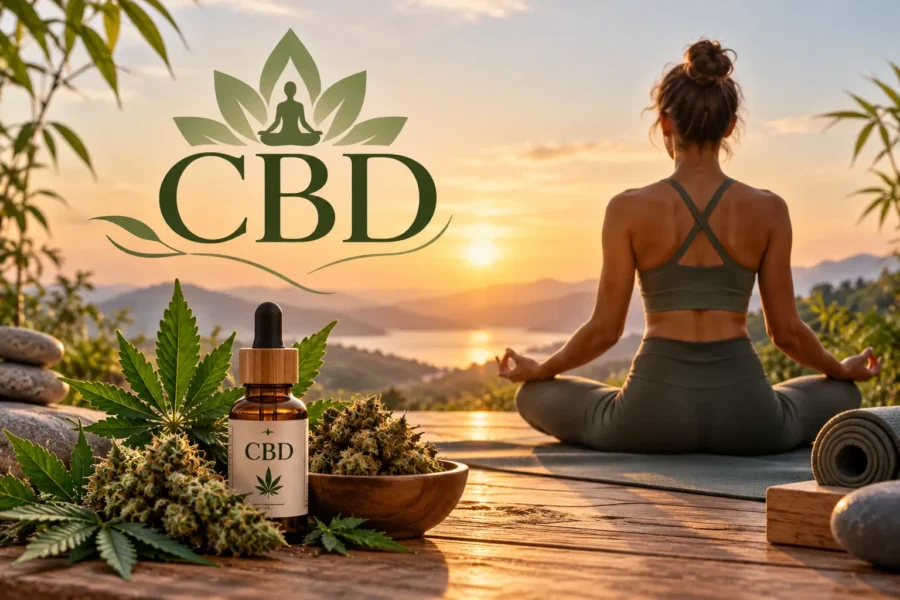
Let's briefly review what CBD (cannabidiol) is and why it's perfectly legal to consume it in France today, in accordance with the law. CBD products are even sold in pharmacies. CBD is a molecule naturally present in cannabis, discovered over seventy years ago, and whose effects have been studied by scientists ever since.
CBD is known for its calming effect, stress reduction, and improved sleep , while avoiding the psychoactive effects of THC (tetrahydrocannabinol). In France, CBD is legal for consumption with a THC content of 0.2%. Therefore, it is perfectly legal to consume CBD in any form, provided this limit is respected. Whether in the form of flowers, resins, or oils, CBD is a product that can be consumed with complete peace of mind from a legal standpoint.
Definition of a saliva test and why is it used?
Even though CBD is perfectly legal, you might be stressed about possessing or having consumed it if you are likely to be stopped by law enforcement.
What is the real situation and what attitude should we adopt?
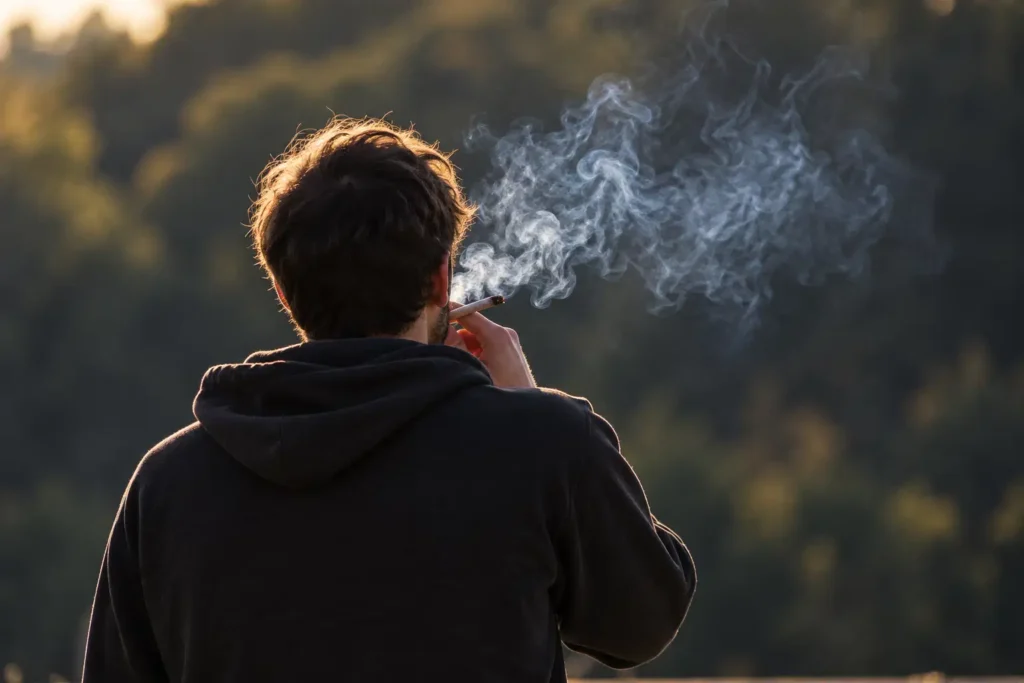
The police have several methods at their disposal for drug testing, including saliva testing. Commonly used by law enforcement, the test is very simple and highly effective. It involves collecting a saliva sample from the person being tested, and the result is immediate. If the color of the test strip changes, it means the person has consumed drugs, and law enforcement will need to determine which ones. Regardless of the quantity consumed, the saliva test will detect it.
The following drugs can be detected: cannabis, detectable 6 to 10 hours after consumption; amphetamines, detectable up to 60 hours after consumption; and opiates, detectable after 48 hours. However, you have nothing to worry about if you have only consumed CBD! There is no risk with CBD because it is undetectable by the tests used by the police, which do not look for this type of molecule during roadside checks but rather for drugs, particularly THC. And in this case, zero tolerance will be enforced.
There's no reason to refuse a saliva test if you've consumed CBD, especially since you risk a hefty fine for refusal, which can range from €4,500 to two years imprisonment and a six-month driving ban . It's best not to take any risks if you're within the law.
However, it's not impossible for a saliva test to reveal a trace of THC if excessive CBD consumption is present. Indeed, CBD is legal in France if it contains less than 0.3% THC; however, if the consumer overuses it, the level can exceed the legal limit. The method of consumption can also affect the test result : flowers, for example, are not intended to be smoked like a joint. Similarly, the calming effect of CBD varies from person to person, as everyone has their own sensitivity. Even without a "high," CBD acts on your body through relaxing effects. It's up to you to manage your consumption and the resulting effects.
In short, in the event of a saliva test, there is a very small probability that THC will be detected following CBD consumption; however, if your consumption is excessive, the risk exists. Nevertheless, if there is any doubt about the nature of the products involved, the authorities may decide to administer a drug test, which will clear you of any illegal activity. In case of a dispute, you can take a urine test or a blood test, which will accurately determine the THC level present in your blood.
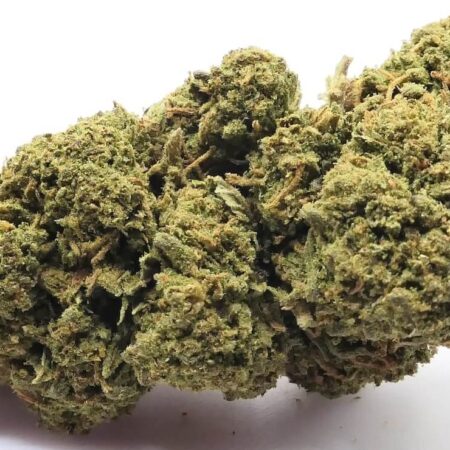
And what if you are stopped and found to be in possession of CBD?
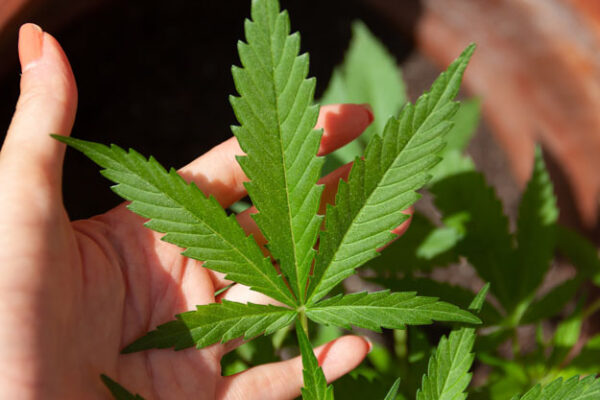
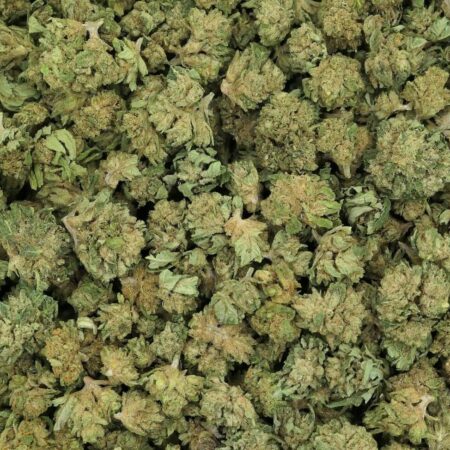
CBD is perfectly legal; you have the right to buy, possess, and consume it whenever you like, even at work. This authorization applies to extracted products such as pollen, crystals, or wax, unprocessed products like flowers or infusions, and products in which CBD is used as an ingredient, such as cosmetics or dietary supplements.
Therefore, we strongly advise you to keep your purchases in their original packaging and to carefully check the percentage listed on the label before consuming them. It is much easier to prove the low cannabinoid content indicated on the label than to try to explain to law enforcement that the small bag of flowers you possess without any labeling is not illegal. There is no need to risk a thorough inspection that will waste your time or the risk of having your merchandise confiscated until law enforcement verifies that it does not contain any illegal substances, even though it is legal.
travel with your packaging and instructions for use for all your CBD-containing products.
In conclusion, you have nothing to fear if law enforcement conducts a saliva test regarding your normal CBD consumption. This molecule is not tested for in these tests and is not illegal if your consumption remains reasonable.