0 items

American CBD: everything you need to know about US CBD
Reading time
⌛
7 min
For the past few years, American CBD has been generating increasing buzz in Europe. American breeders are starting to target the European market, and CBD shops, in France and throughout Europe, are increasingly offering it. At CBDOO, we've even created a dedicated category USA with products imported directly from the United States.
Primarily renowned for the quality of their cannabis cultivation, the United States is simultaneously developing the same expertise in THC-free hemp. History, culture, legislation, strains, and star products: in this article, discover everything you need to know about American CBD!
Cannabis and CBD: A History of American Counterculture
The history of hemp and cannabis cultivation is almost as long as humanity itself. But when it comes to American CBD, it's often considered tobegin with the hippie movement. During the Summer of Love in 1967 and throughout the 1970s, a young, mystical generation saw drugs and cannabis as an escape from the productivist and capitalist world.
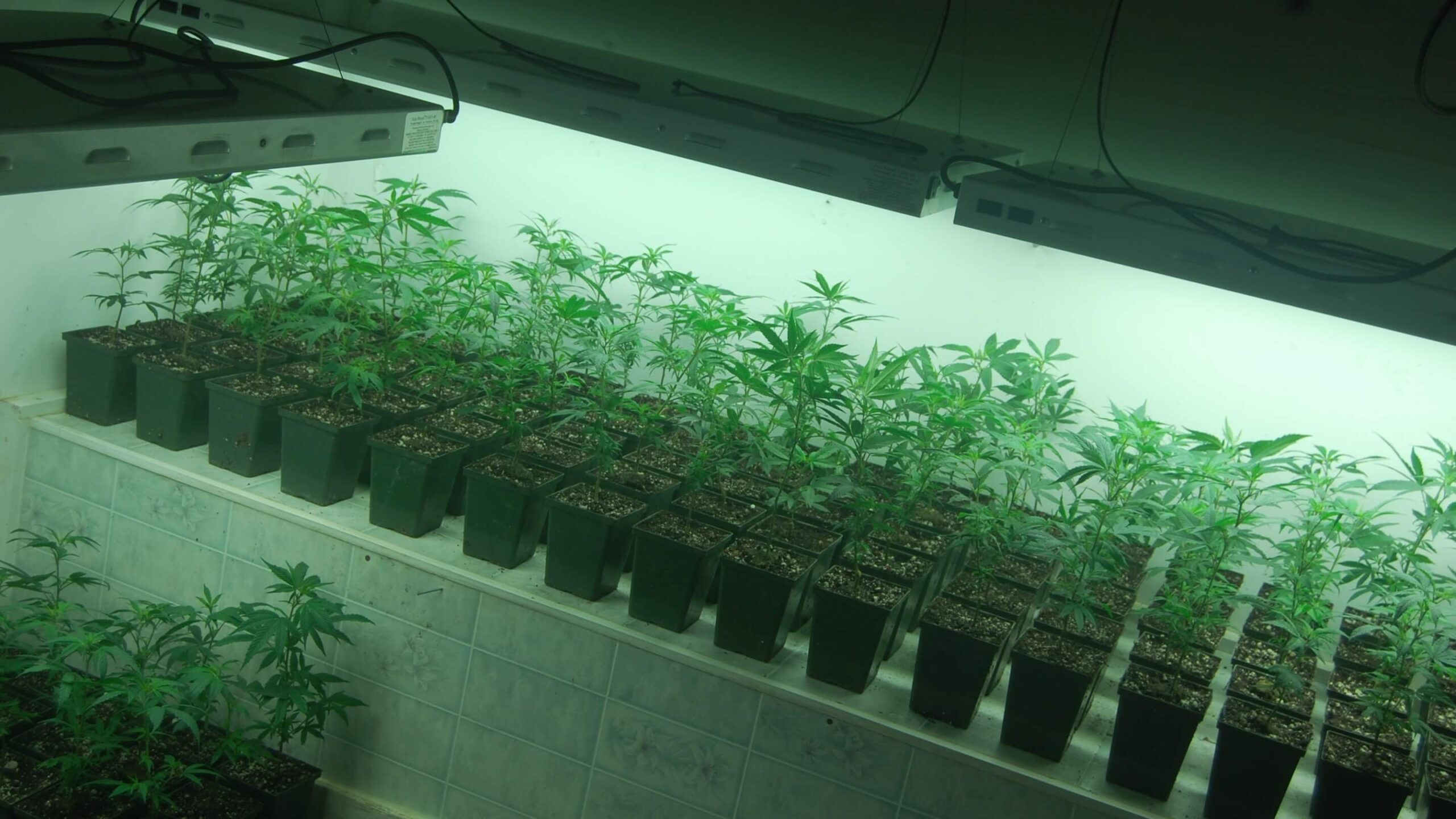
On the West Coast in particular, especially in California and around San Francisco, a veritable alternative and clandestine network of cannabis enthusiasts is emerging. They conduct their own experiments, travel the world to discover new phenotypes, acclimatize and crossbreed them, thus developing new varieties and new cultivation techniques.
From countercultivationto pop culture
The hippie movement ended in the 1970s, but the countercultivationevolved with the world. Cannabis permeated music, film, and an entire rebellious aesthetic, to the point of becoming a true cultural marker. High Times magazine, founded in 1974, played a decisive role : it transformed a plant into a cultivationin its own right, with its own codes, experts, and specialized journalism. It was High Times that launched the famous High Times Cannabis Cup in 1988, the competition that annually recognizes the best genetics and introduced varieties like OGOG Kush and Haze to the world.
Demanding competitions, dedicated media, a community of passionate breeders: this ecosystem has transformed American cannabis into a true discipline. And it is precisely this that gives the "US genetics" label its full weight today.
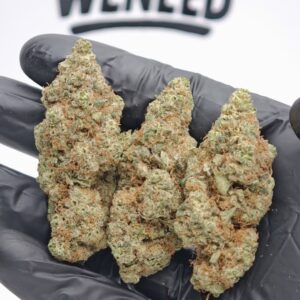
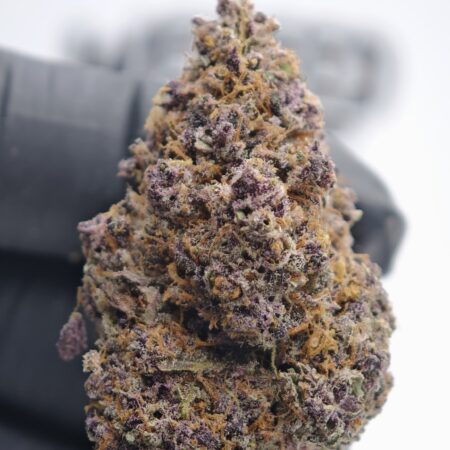
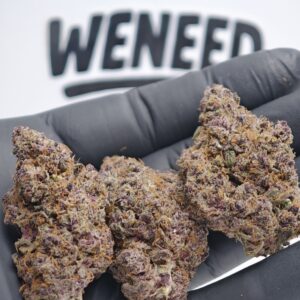
History of American legislation
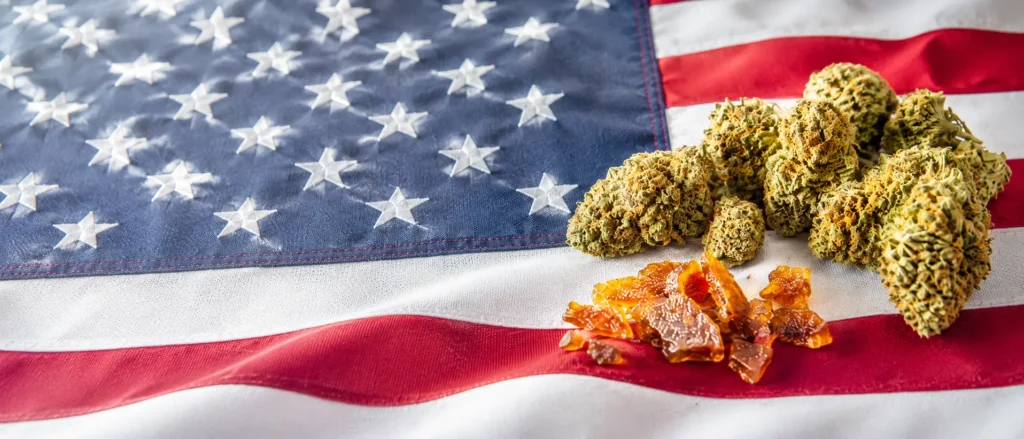
As in France, drug legislation in the United States has not been a smooth process. Prohibited by the Marihuana Tax Act of 1937, cannabis was later classified among the most controlled substances (in Schedule I, at the same level as heroin) by the Controlled Substances Act of 1970, as part of the war on drugs launched under Nixon, notably to counter the hippie movement.
It wasn't until the end of the century that the first significant step forward occurred: in 1996, California authorized cannabis for medical purposes only. This seemingly minor development paved the way for the acceptance of cannabis throughout the country. In 2012, Colorado and Washington State authorized recreationalusa, followed by California in 2016. Over the years, the vast majority of states have legalized medical cannabis, and about twenty have legalized recreationalusa.
Meanwhile, CBD is undergoing a major evolution, similar to that experienced in France in 2018.That year, the Farm Bill (AgricultivationImprovement Act) removed hemp from the Controlled Substances Act and defined it as a Cannabis sativa L. plantcontaining a maximum of 0.3% delta-9 THC by dry weight. Unlike cannabis legislation, this law alone legalized hemp cultivation and CBD extraction at the federal level.
However, as in France, it only regulated delta-9 THC, creating a loophole for all known CBD derivatives. This loophole was closed on November 12, 2025: a finance law redefined hemp based on total THC (delta-9, but also THCA and isomers).
American CBD in Europe: legislation and imports
There is no specific European law that expressly regulates the import of CBD from the United States. However, to enter the market of a European country, an American flower must comply with several main rules:
- the hemp must come from genetics listed in the European catalogue of authorized varieties;
- Imported batches must be accompanied by a certificate attesting to a THC level below the country's limit, in checkout to pass through customs;
- Finally, to be marketed in Europe, it must be analyzed by a European laboratory, which certifies its composition and THC level before sale.
This is the whole point of rigorous selection. At CBDOO, each imported batch is analyzed beforehand to guarantee a THC level that complies with French and European regulations before reaching you.
The star families of CBD made in the US
The world of American genetics can be read through three major families, each with its own identity.
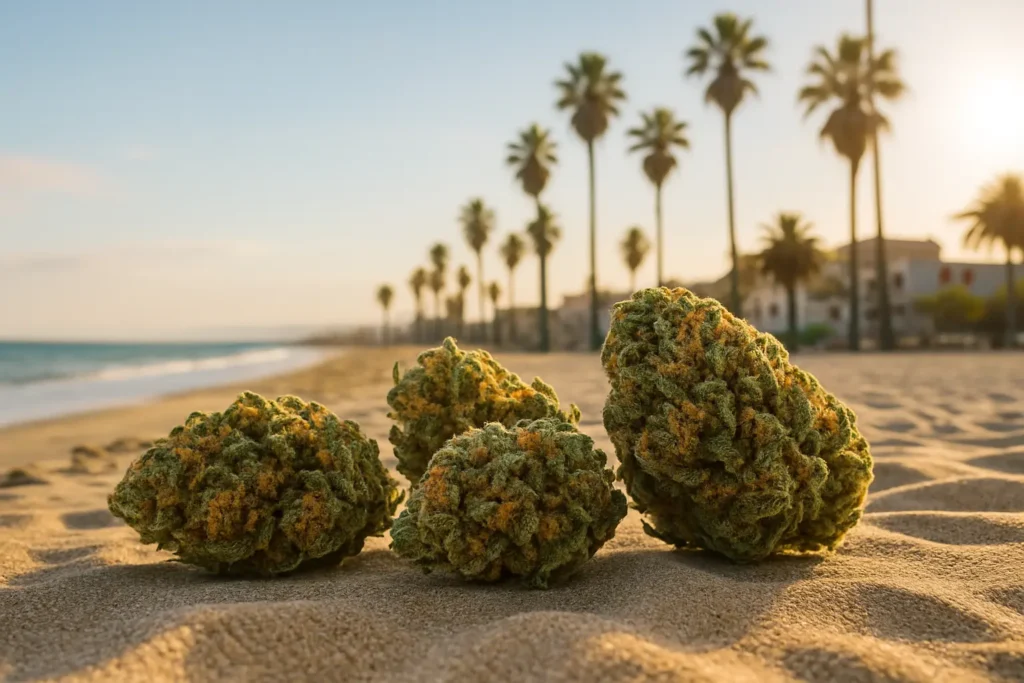
The Cali Weed
Originating from the region historically central to American cannabis cultivation, Cali Weed stands out for its meticulous selection process: terpene profiles crafted like perfumes, spectacular colors, and some of the highest concentrations on the market. It's one of the most popular categories among both cannabis and CBD enthusiasts; if you'd like to learn more, here's our exclusive article on Cali Weed CBD flowers.
Moreover, this expertise and pursuit of perfection do not stop at flowers: California has also crafted benchmark resins, the famous Cali Plate Hash.
The Kush
Kush strains descend from the mountainous landraces of the Hindu Kush. Compact, ultra-resinous, and covered in trichomes, they offer a heavy, enveloping profile: earthy, spicy, with a hint of diesel. OGOG Kush, born in California in 1993, single-handedly redefined the standards, producing its own school of flavor and numerous offspring still sought after by many enthusiasts. Its quality continues to inspire countless crossbreeds.
The Haze
Haze strains are the quintessential sativa worldwide. Born in the hippie circles of the 1970s, they are recognizable by their complex profile, blending spices, citrus, incense, and woody notes, with effects that balance calm and mental clarity. From AmnesiaAmnesia Haze to Super Lemon Haze, they made Amsterdam famous in the 1980s, and today they remain one of the most popular strain families with the most diverse varieties.
The best American CBD strains at CBDOO
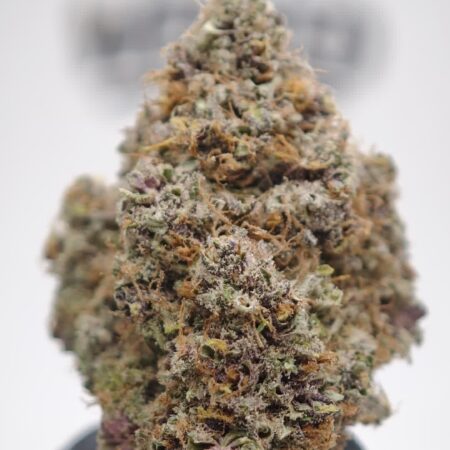
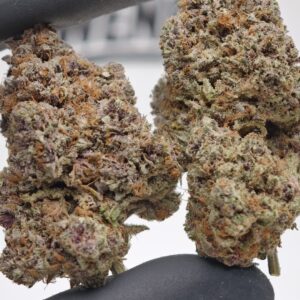
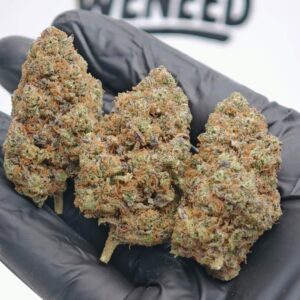
At CBDOO, each shipment is selected directly from the source in the United States, rather than being grown under license in Europe. Here are six gems from the collection, each true to its original genetics.
Lifter USA : Oregon's benchmark
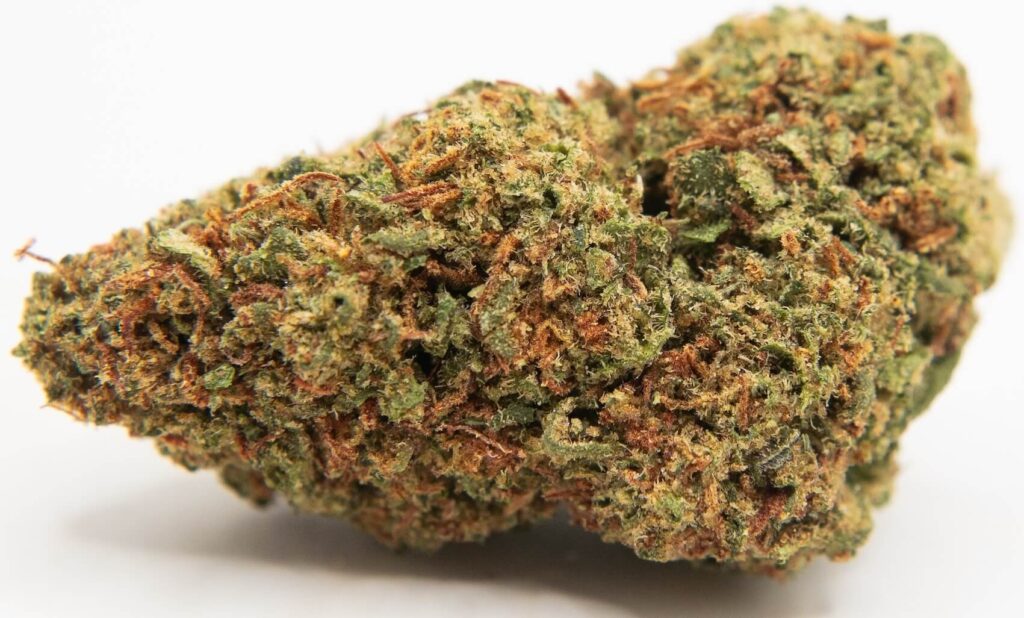
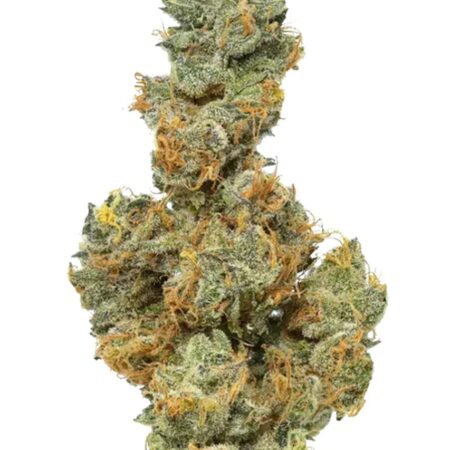
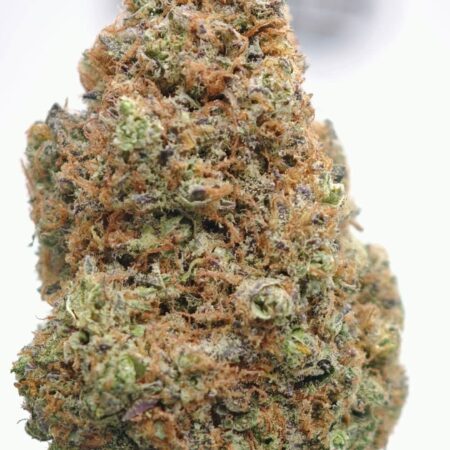
Born in southern Oregon from a cross between Suver Haze #50 and Early Resin Bud, Lifter built the reputation of American hemp, even winning first place at the High Times Hemp Cup. Its buds , a bright green studded with orange and pink pistils, promise a unique profile: a fruity and sweet attack on an unforgettable skunky and earthy base.
With 25% CBD and a sativa dominance, it is the perfect daytime flower: it uplifts without ever knocking you out, perfect for a creative moment or an active day.
California Dream : The Golden Dream of the West Coast
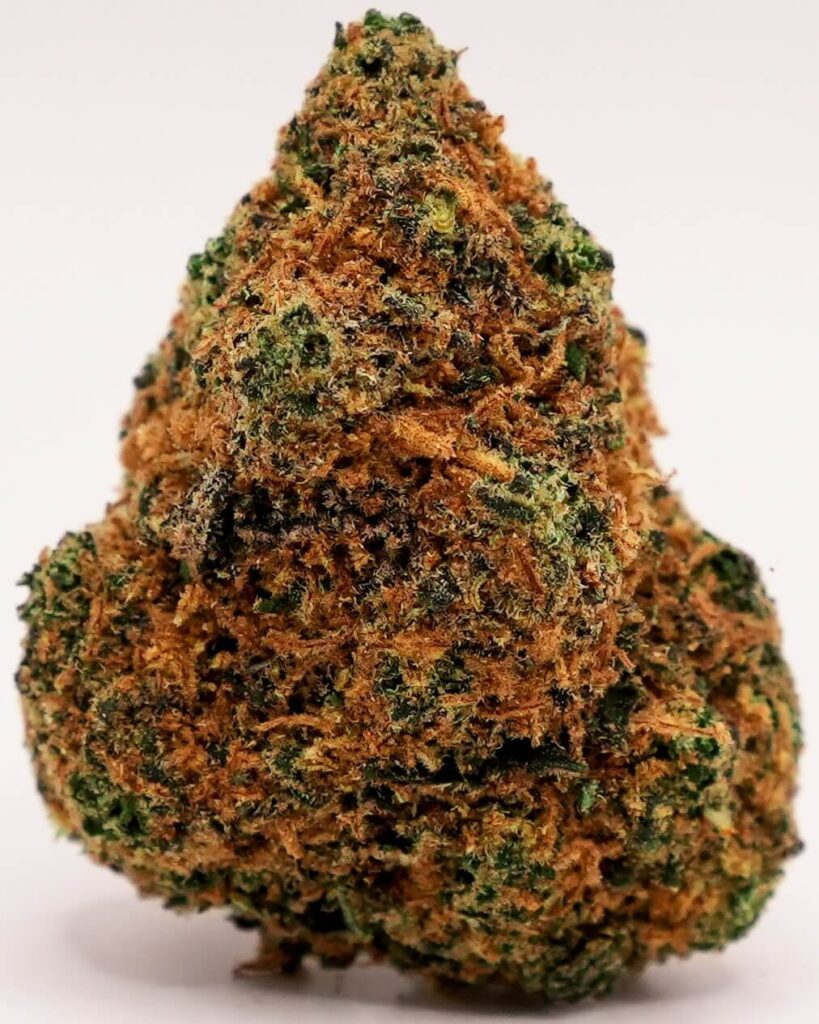
Born from a cross between a Mexican sativa and an Afghan indica, California Dream boasts large, buds of almost mineral density, buried beneath a profusion of coppery-orange pistils. On the nose, orange reigns supreme: a zesty, vibrant, and tangy peel, underpinned by a pronounced limonene note. Its 23% CBD content lends an overall sense of lucid relaxation. It's the perfect midday flower.
Zushi: the authentic Cali
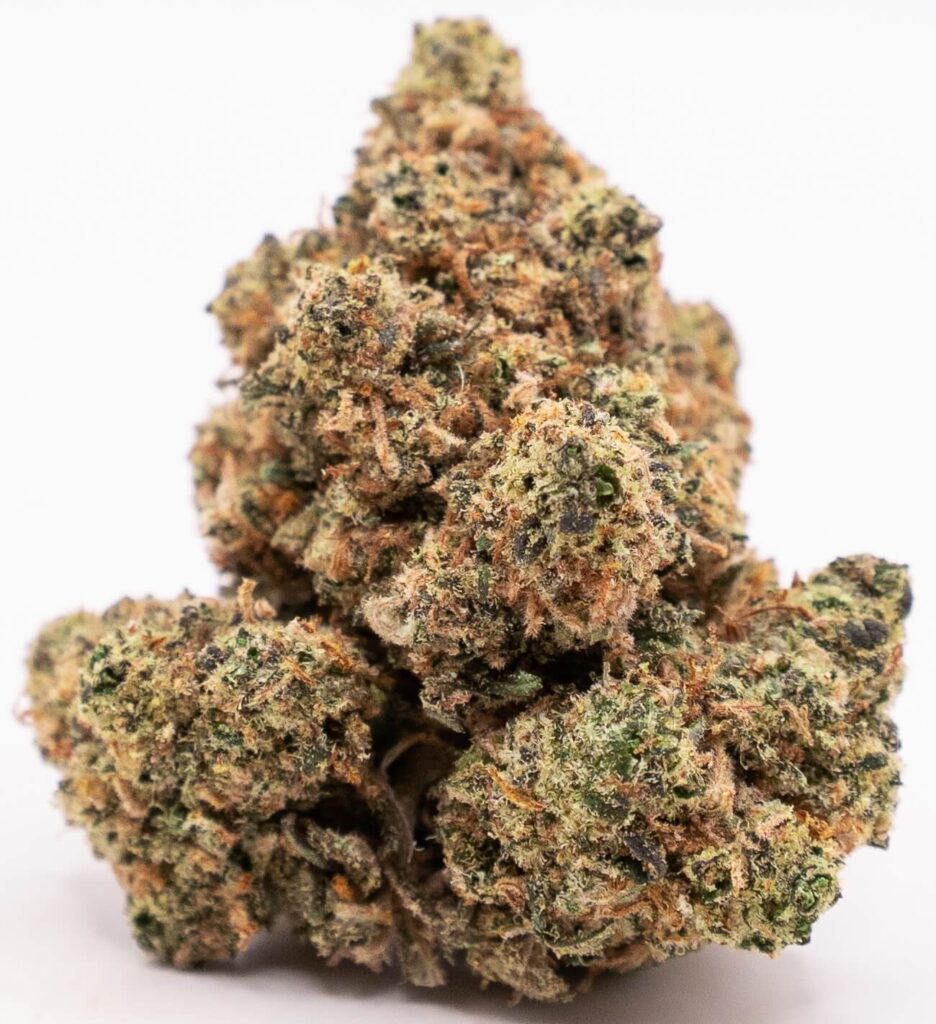
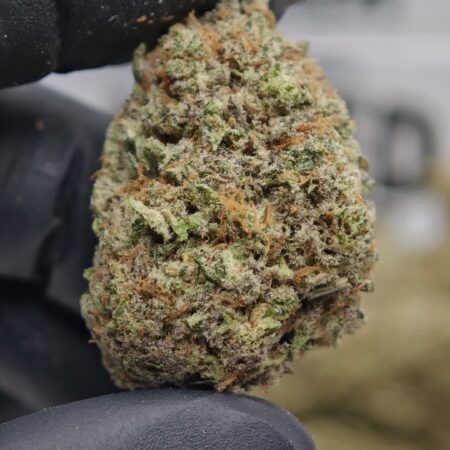
A descendant of Zkittlez and Kush Mints, Zushi is one of the most sought-after strains in Californian dispensaries. Its buds compact, resinous sweet burst of juicy citrus, orange, tangerine, and a hint of lemon, with a long, resinous finish. With 20% CBD and a sativa dominance, this US CBD flower is all about lightness and good vibes, equally at home during a creative daytime session or unwinding in the late afternoon.
Bubba Kush : the legend who changes his costume
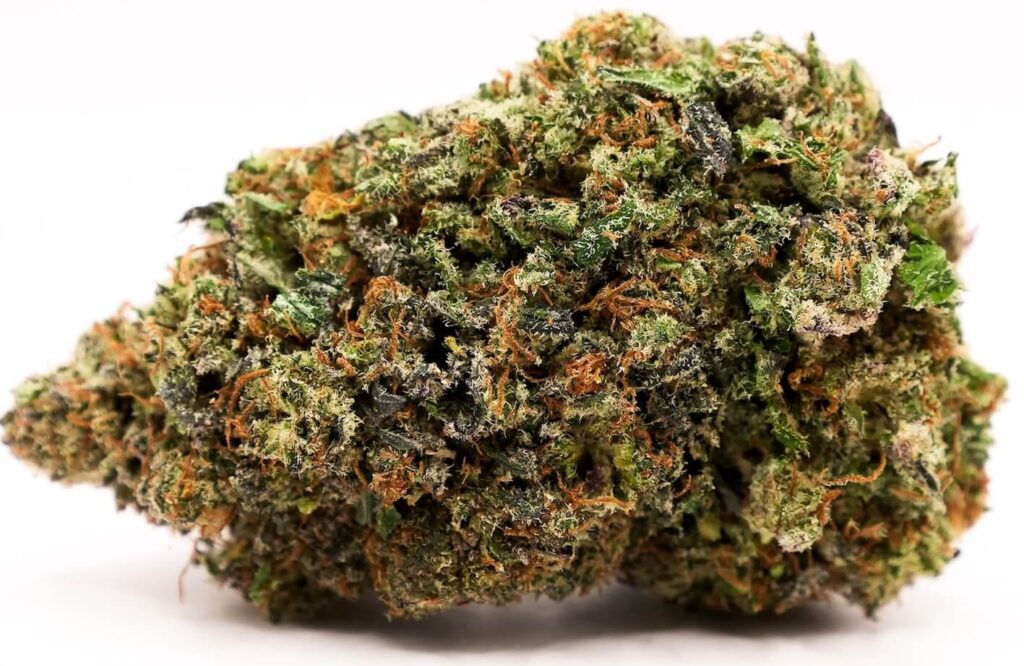
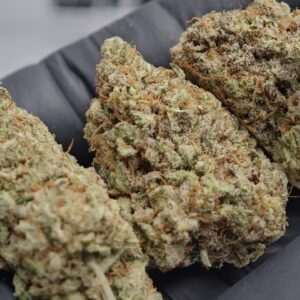
is known Bubba Kush for its deep coffee and earthy notes; this US version takes the opposite approach. Its airy, crisp buds, generously dusted with trichomes, reveal a delicate floral bouquet, interwoven with red berries. With 25% CBD, it offers a subtle, gradual relaxation, perfect for easing into the evening.
Kryptonite: the gentle power
Beneath its code name lies an unexpected tropical profile: a sweet and juicy opening, exotic fruits in the background, on large, buds . Grown indoors under LEDs, Kryptonite boasts 20% CBD and a medium aromatic intensity that builds gradually. A progressive and enveloping relaxation, perfect for lovers of fruity and gourmand profiles.
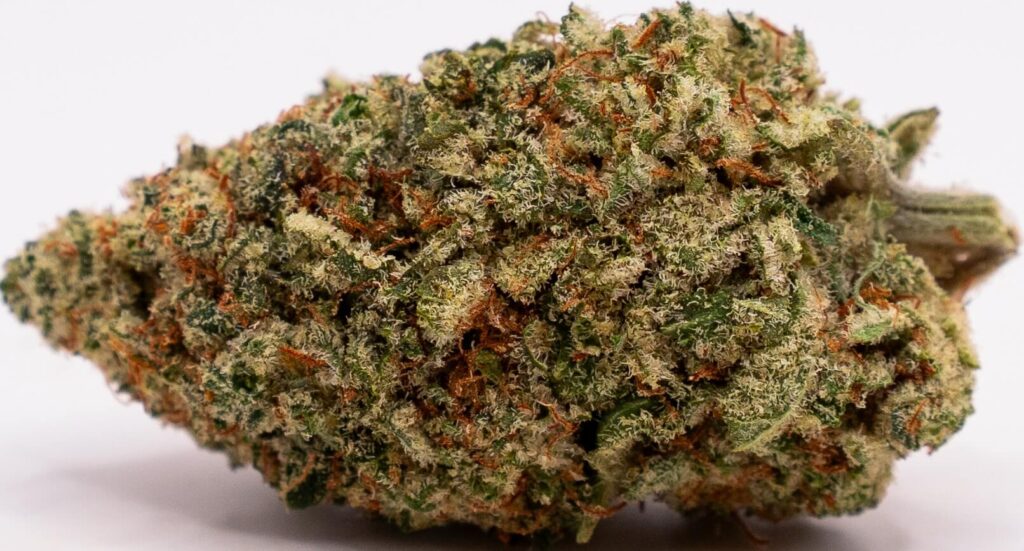
Green Bomb : the tropical explosion
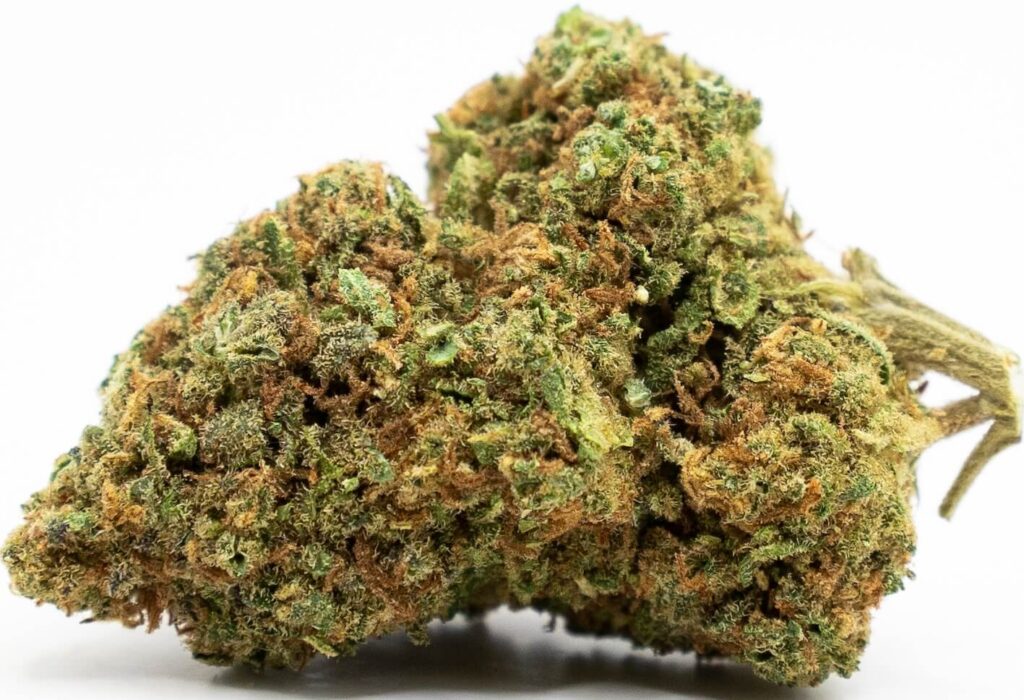
Recognizable by its dense, resinous, light green buds with yellow highlights, Green Bomb lives up to its name. The aroma blends tropical flavors, woody notes, and that classic weed scent that hits you hard as soon as you open the bag. Grown in a greenhouse, it boasts a 20% CBD content and offers a dual effect: relaxation accompanied by a slight energy boost. A versatile strain with a strong character.
FAQ
Is American CBD legal in France?
Yes, provided the flower contains less than 0.3% THC, comes from a legal hemp variety, and is accompanied by a certificate of analysis. This is the case for our entire US selection.
What is the difference between American CBD and Cali Weed?
Cali Weed is the most prestigious American genetic family, but not the only one: Haze and Kush also belong to the US heritage. All Cali strains are American genetics, but not all American genetics are Cali.
Why does a US CBD flower cost more?
Direct import, the rarity of the selected batches, and the high standards of cultivation justify a price higher than that of a standard European flower. An abnormally low price should raise concerns about the genetic authenticity.