0 items

Fighting depression with CBD

Reading time
⌛
4 min
Depression in a nutshell
A very widespread disease, affecting women twice as often.
Depression is a mental illness characterized, among other things, by morbid thoughts, sadness, eating and sleeping discheckouts, a loss of pleasure and interest, low self-esteem, and marked anxiety. In the most severe cases, it can lead to suicide.
It varies in length, from a few weeks to several months. Depression differs from a passing bout of the blues in that it affects mood more deeply and persistently, as well as the body, potentially causing backaches, headaches, or stomach aches and weakening the immune system. Depression is chronic in 50% of cases (a depressive period lasting several years, according to the Ministry of Health).
This disease therefore corresponds to precise diagnostic criteria and is considered by the WHO to be the second leading cause of disability worldwide after cardiovascular discheckouts[1]. It generally affects women more often than men, approximately twice as often.

The origins of depression
They can be:
- Genetics;
- Biological: in patients, a deficiency or imbalance of certain neurotransmitters such as serotonin, responsible among other things for our well-being, is observed, disrupting communication between neurons;
- Environmental factors: unhealthy lifestyle habits (alcohol, tobacco, lack of physical activity) and excessive work or mental workload in general (stress);
- Life events (bereavement, separation…).
The treatment of depression
In cases of mild depression, psychotherapeutic support will suffice. In more severe cases (numerous, intense, and persistent symptoms), depression will need to be treated with medication and therapy. However, antidepressants are not without side effects, some of which may be significant, hence the search for alternatives [2].
* Headache, dizziness, dry mouth, weakness, constipation, lightheadedness, weight loss or gain and loss of appetite, sexual discheckouts.
The effects of CBD on depression
CBD is one of the many cannabinoids derived from the hemp plant. It is a molecule with no psychoactive effects. Cannabidiol acts on the endocannabinoid system, which is composed of neurotransmitters found throughout the body. This system is essential for the proper functioning of several vital functions, including mood and sleep.
CBD interacts directly with cannabinoid neurotransmitters and, in the case of depression in particular, increases the activity of serotonin receptors [3](5-HT1A). The increase in serotonin produces a calming and soothing effect.
The effects of CBD can also be accompanied by relaxing practices that promote mental and physical well-being, such as yoga and meditation.
Clinical studies of CBD on nervous depression
A 2016 study by researchers at the University of Colorado [4] mentions that cannabidiol, at relatively high doses (25 mg per day in this case), has an antidepressant effect. In this clinical trial, CBD oil was substituted for a well-known antidepressant: imipramine (LAROXYL), and no side effects were observed with CBD.
Another more recent study (2018) [5] goes in the same direction by reaffirming the antidepressant effects of CBD, and even suggests that CBD activates mechanisms that repair neural circuits in the prefrontal cortex and the hippocampus (a brain region known to act on mood).
The study includes no less than 6 preclinical experiments conducted on rats and mice, but fully highlights the therapeutic potential of CBD in humans.
During these experiments, it was observed that CBD increases the density of the prefrontal cortex after only 30 minutes. These tests established the effectiveness of cannabidiol after just 7 days.
This should be considered in light of the duration of symptom improvement with antidepressant medication, which is between 3 and 4 weeks
The study also indicates that "currently available antidepressants have a significant delay in inducing a therapeutic response and relatively low efficacy."
Finally, the study concludes that " the results indicate that CBD induces a rapid and also long-lasting antidepressant-like effect ."
* According to INSERM
! ATTENTION !
While CBD may seem to offer some advantages over antidepressants, it cannot replace them. Never stop taking prescribed medications, especially antidepressants, without first consulting your doctor (abruptly stopping them can cause significant side effects).
The effects of CBD on discheckouts accompanying depression
According to some studies, CBD may also have beneficial effects on discheckouts accompanying depression :
- Anxiety: CBD may reduce anxiety, also thanks to serotonin.[6]
- Sleep discheckouts: thanks to its relaxing effects and its positive impact on the circadian cycle, CBD can help combat insomnia.
- Appetite discheckouts: CBD's regulatory effect can help increase or decrease appetite and find a balanced diet.
We are only talking about the effects that are relevant to this article, but these are not the only facts about CBD and some are quite astonishing !
How to take CBD oil
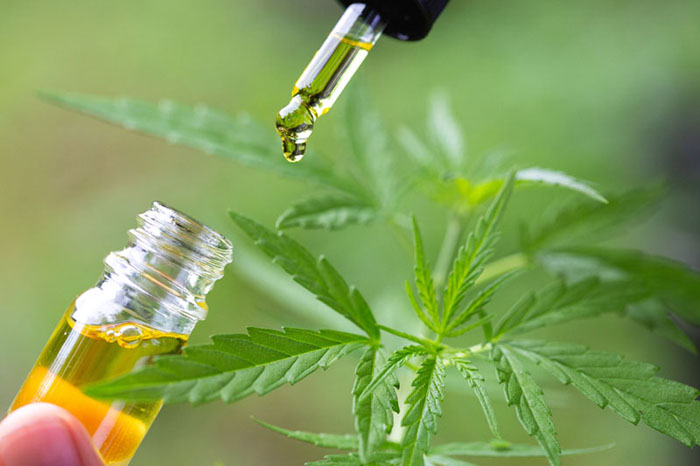
One of the most effective ways to take CBD is in oil form. Cannabidiol is absorbed quickly, within about 20 minutes, and is very efficient: a significant portion of the CBD will interact with your endocannabinoid system. Simply place a few drops directly under your tongue for 30 seconds to 1 minute
.
Even though CBD is free of side effects, it is important to start with the lowest dose, as each person, depending on their body size, age, and many other criteria, will react differently to this molecule.
Sources
- [1]
- [2]
- [3]
- [4]
- [5]
- [6]