0 items

CBD and sleep

Reading time
⌛
5 min
Difficulty sleeping well, too many thoughts when falling asleep, insomnia, sleepwalking… Sleep discheckouts are frequent and numerous. According to a 2021 study by the National Institute of Sleep and Vigilance [1], the French sleep an average of 6 hours and 41 minutes on weekdays and 7 hours and 33 minutes on weekends.
These figures represent a decrease of more than half an hour since 2015, in which a quarter of French people already complained of lack of sleep, particularly on working days, and a third reported suffering from sleep discheckouts.
The French and sleep
One in two French people suffers from sleep discheckouts, and this has worsened with the pandemic, successive lockdowns, and periods of curfew2]
Thus, 16% of adults suffer from chronic insomnia and 45% of 25-35 year olds feel they don't sleep enough or less than they should. Overall, it is estimated thatone in three people suffers from sleep-related problems.[3]
The importance of getting a good night's sleep
These sleep discheckouts must be taken very seriously: rest plays a vital role in all phases of our lives—social, professional, and relational. Lack of sleep can lead to numerous health problems such as Parkinson's disease, asthma, tachycardia, chronic bronchitis, and hyperthyroidism, as well as an increased risk of cardiovascular disease in people with insomnia (study published in the journal Circulationof the American HeartAssociation). Furthermore, less sleep will alter social relationships and interactions with others.
Several methods exist to alleviate these discheckouts: relaxation, meditation, yoga, medication… but it is not always easy or desirable to take chemical substances to relieve them. However, other methods exist that are much gentler and completely non-addictive.
The benefits of cannabinoids on sleep discheckouts
Cannabinoids are frequently touted for their purported benefits on sleep and anxiety in general. They act as regulators of the cannabinoid system receptors, influencing the nervous system.
According to scientific studies, they are gradually beginning to be recognized for their relaxing, analgesic, and anti-inflammatory benefits. Current research suggests that CBN, a cannabinoid compound similar to CBD, inhibits the uptake of GABA, gamma-aminobutyric acid, which is naturally produced by the body. GABA is the primary inhibitory neurotransmitter in the central nervous system, and its main role is to regulate brain activity and to quiet the brain when necessary.
In short, GABA helps control negative thoughts and their rumination, particularly when falling asleep. This has a calming effect on the brain, leading to muscle relaxation and reduced anxiety. CBD, a natural relaxant derived from the Cannabis sativa plant, is one of the hundreds of cannabinoids found in hemp. This feel-good effect of CBD acts directly on the endocannabinoid system, which regulates many biological functions such as sleep, mood, and pain.
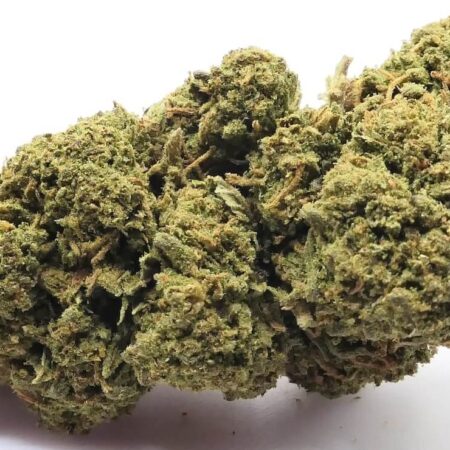
Although clinical studies are still in their early stages, cannabidiol's role in reducing stress and anxiety and alleviating sleep discheckouts is undeniable. The advantage of CBD is that it does not lead to addiction or side effects. Indeed, with a THC content below 0.3%, no psychoactive effects occur. On the contrary, CBD helps regulate the sleep cycle and rhythm.
Relax with CBD
Various products can therefore help reduce anxiety and stress by aiding in the relaxation of thoughts and muscle pain. Among them, CBD offers an alternative to chemical compounds and does not create any addiction or risk of overdose.
CBD helps you fall asleep faster: it reduces stress and relaxes muscles. By calming the nervous system, it promotes the production of melatonin, the sleep hormone that regulates biological rhythms.
It also helps you sleep longer: muscle relaxation and stress regulation allow for much more restorative sleep than sleep that lacks these REM sleep phases. Drowsiness is therefore avoided, as are unwanted awakenings and insomnia.
Since CBD is not addictive, the choice of product will depend on the consumer's preferences. Whether in oil, vaporizer, resin, or flower form, the choice is vast, and the effectiveness of CBD will be evident.
CBD oil is considered the most effective way to experience an almost immediate relaxing effect and promote sleep. The oil contains active ingredients essential for the proper functioning of the body. The user places a few drops of oil under their tongue, waits a minute, and then swallows the oil with or without water.

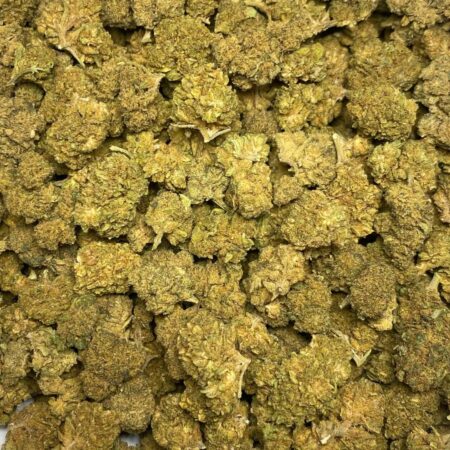
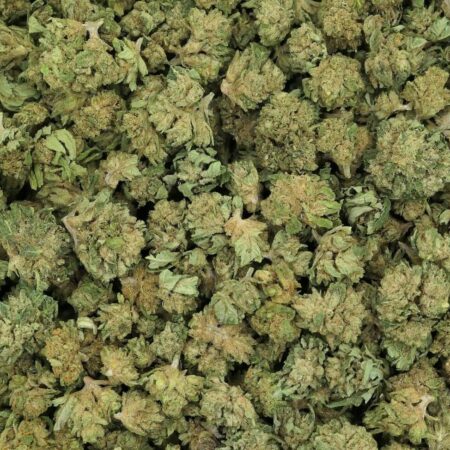
In its flowering stage, CBD can be consumed as an infusion, ideal after dinner and before bed. Less potent but offering a more substantial wellness ritual, the infusion can be added to a daily routine. We've selected two promising varieties:
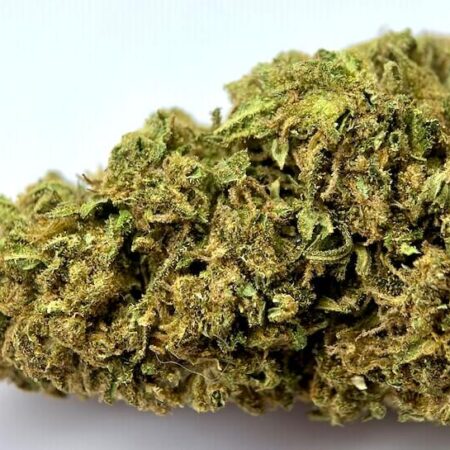
- Amnesia is a legendary, ancient, and highly regarded flower with compact buds. Its fruity and woody aroma is well-balanced, and its CBD content allows for total relaxation while still offering stimulating effects. It is believed to combat stress, anxiety, and depression by promoting relaxation and meditation.
- Gorilla gorilla glue is a fairly potent hybrid flower. Its flavor is intensely lemony. Grown indoors to a high standard, this flower has a high CBD concentration. It boasts large, particularly light green buds, a very special and highly prized color. It is known for its powerful relaxing effects, helping to relieve stress or simply promote sleep.
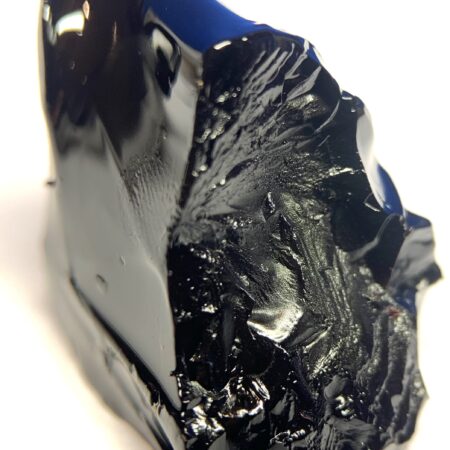
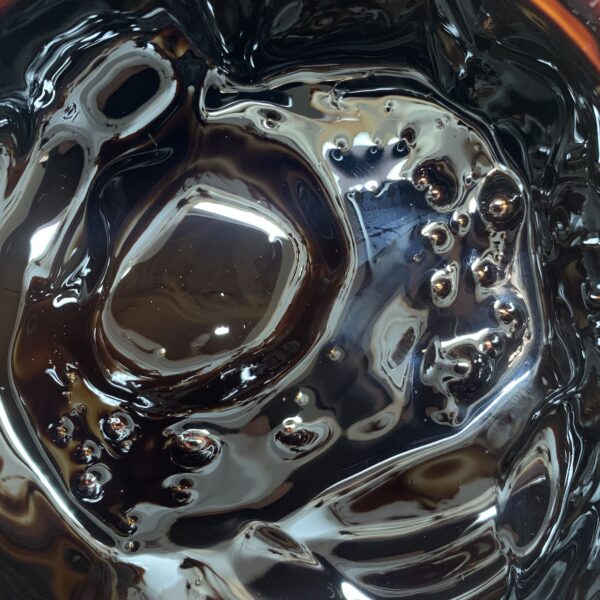
Vaporizing can also be a significant aid in promoting sleep: a few inhalations before bed can help you drift off to sleep immediately and enjoy a restful night's rest. CBD Jelly hash is a perfect example of a natural relaxant.
Avoid vaping e-liquids in the evening, at bedtime.
In conclusion, CBD may help improve sleep but is not a substitute for a healthy lifestyle that includes a balanced diet, regular physical activity, and avoiding screens before bed. Feel free to browse our blog to learn more about the benefits of CBD!
Sources
- [1]
- [2]
- [3]