0 items

Lyme disease and CBD
Reading time
⌛
3 min
What is Lyme disease?
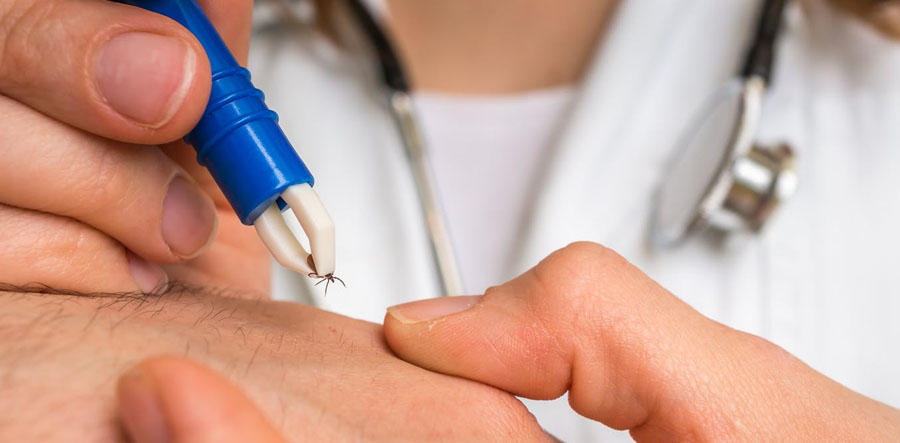
Lyme disease , or Lyme borreliosis, is caused by the bacterium *Borrelia burgdorferi*. It is usually transmitted to humans and animals through the bite of hard ticks during contact with nature (agricultural work or walks in the forest), primarily between March and September in Europe, which is the spring and summer months. Lyme disease is the most common vector-borne disease (transmitted by a living vector: the tick) in the Northern Hemisphere. If left undiagnosed and/or untreated, it can become chronic.
Symptoms of Lyme disease
The first symptom is a skin lesion that appears between 3 and 30 days after the tick bite. This lesion is oval-shaped and is accompanied by headaches, a slight fever, and/or severe fatigue, as well as swollen lymph nodes around the lesion. If diagnosed early, a 2- to 4-week course of antibiotics is often sufficient to eradicate the disease, unless the body's own immune system manages to clear it.
In cases where the lesion is not treated, several weeks or months after the bite, the following discheckouts may appear [1]:
- Skin symptoms identical to the original lesion and appearing all over the body;
- Joint symptoms with inflammation of large joints such as the knees;
- Cardiac symptoms with drops in blood pressure and heart problems which, once the disease is treated, should not lead to any lasting effects;
- Neurological symptoms, with meningitis in the worst cases.
Finally, if the disease is still not treated or diagnosed at this stage, severe complications can arise months or even years later, in the form of Pick-Herxheimer disease [2] and/or serious neurological damage that can affect the spinal cord or brain.
The effects of CBD on Lyme disease
As we have seen, diagnosis is not always easy, and chronic forms of Lyme disease with diffuse and multi-level pain are becoming increasingly common.
While in the United States medical cannabis as a treatment for pain and illness is unquestionable, in France only the CBD molecule is regulated3]
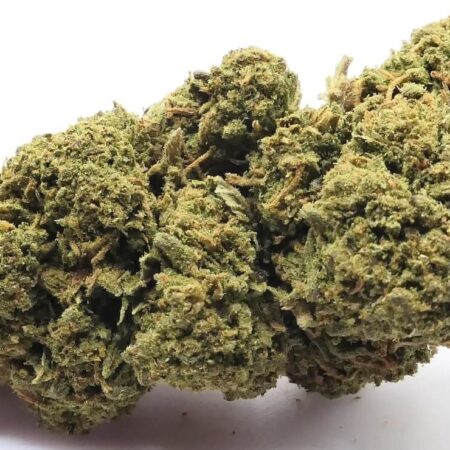
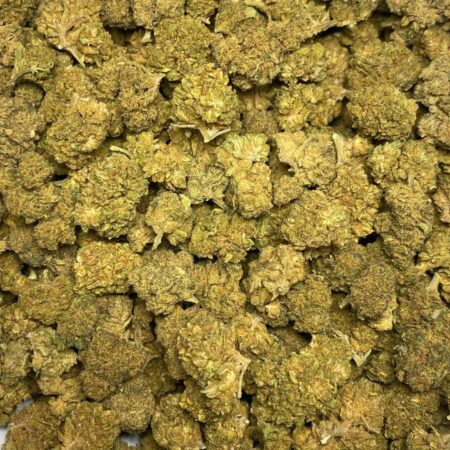
CBD is the main non-psychoactive component of the cannabis or hemp plant, recognized for its medicinal properties, particularly in the treatment of pain and inflammation. Many researchers are interested in its potential to relieve symptoms of Lyme disease.
While cannabis (composed of THC and CBD, among other things) is recognized as having effective properties against antibiotic-resistant strains [4], CBD is better known for its anti-inflammatory properties. Regarding Lyme disease in particular, CBD may reduce pain and inflammation, and may also act on the immune system of infected individuals, whether human or animal. Research is still ongoing, and traditional and pharmaceutical treatments should not be dismissed, but theusaof CBD can support the patient's healing process and provide relief.
British Columbia medical expert Dr. Ernie Murakami has conducted research suggesting that CBD could even eradicate the bacteria responsible for Lyme disease from the patient's body5]
How to use CBD oil?
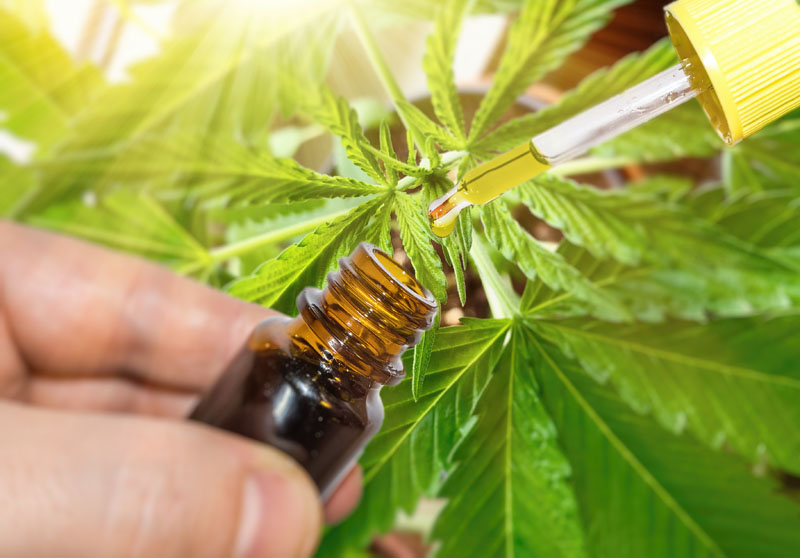
CBD oil is easy to use and is the most widespread method of consumption. Using a dropper, you can precisely measure the amount needed. A few drops are placed directly under the tongue, allowing the oil's components to be absorbed immediately into the bloodstream for a fast and effective response. Because the CBD passes directly through the oral mucosa and not the stomach, its bioavailability is maximized.
We recommend leaving the CBD oil in for 20 seconds to allow its CBD content to penetrate the bloodstream.
It is important to adjust the dosage gradually and in relation to your level of fatigue. Therefore, if you are more tired than usual, it is best to reduce the number of drops to achieve a manageable level of pain relief without the side effects of fatigue.
For Lyme disease, we recommend choosing a full spectrum oil; the recommended dose of CBD oil varies from 10mg to 100mg per day depending on your weight and your reaction to CBD.
Sources
- [1]
- [2]
- [3]
- [4]