0 items

CBG, CBN, CBC, CBDP: discover the compounds of THM
Reading time
⌛
4 min
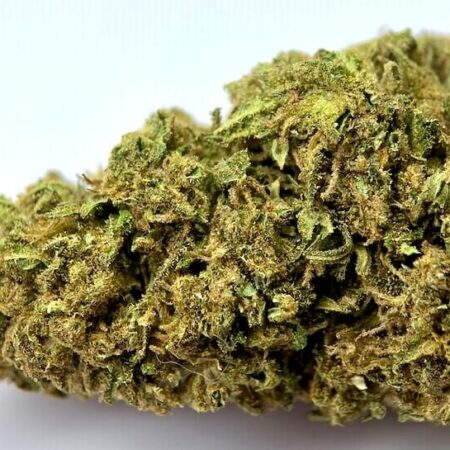
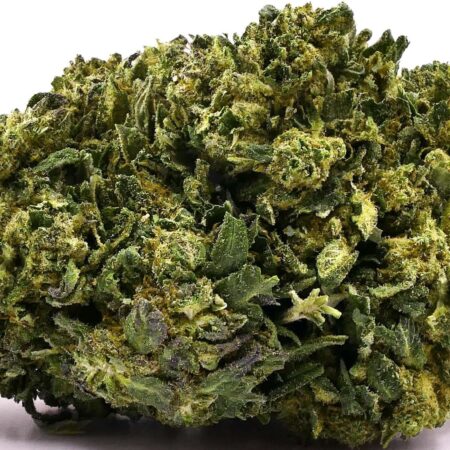
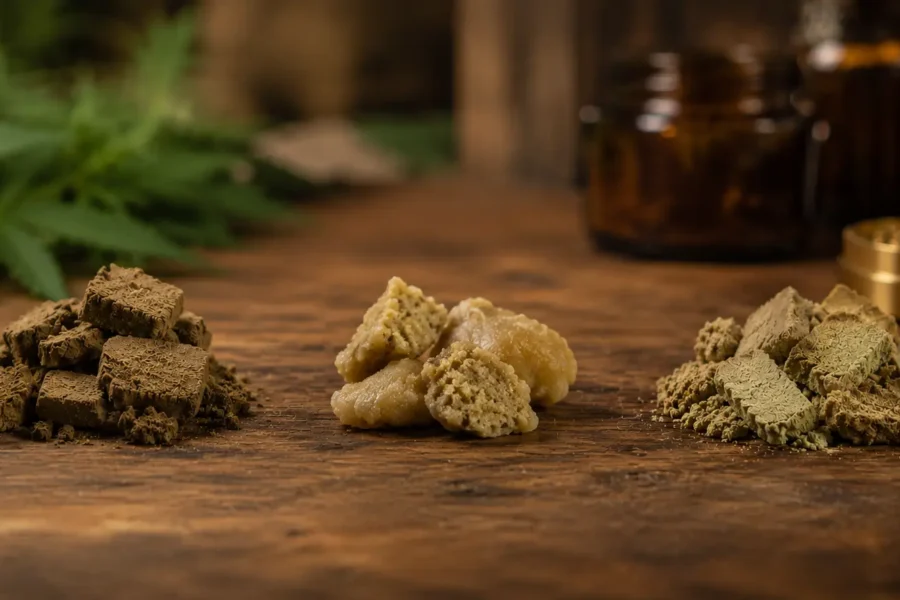
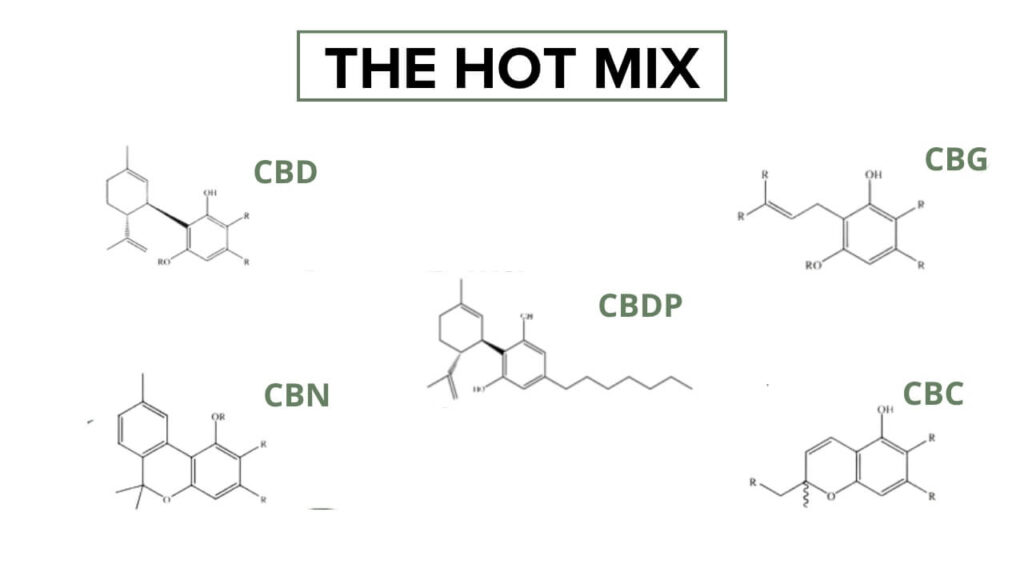
THM, or "The Hot Mix," is a new product line available in our shop. It's a blend of CBG, CBN, CBC, CBDP, and CBD; these molecules work synergistically through a powerful entourage effect, producing significant relaxation for both body and mind. This type of product is currently flourishing in several CBD shops. It can be found under names such as Raf, MCPN, and CBDX.
We already discussed the entourage effect and the effects of THM in our previous article. Now, we'll examine each cannabinoid that makes it up.
CBD
You probably already know everything there is to know about CBD, so to put it simply: CBD, or cannabidiol, is the second most concentrated cannabinoid in natural cannabis. Discovered in 1940 by Roger Adams, it is known for its lack of psychotropic effects and its absence of habituation and dependence, as well as its beneficial effects against stress, in managing anxiety , and certain chronic pains.
The CBG
CBG, or cannabigerol, is one of the secondary cannabinoids among the approximately 200 found in hemp and cannabis. Its discovery in the 1960s revolutionized our understanding of cannabinoids, and for good reason: it is the building block upon which other cannabinoids depend. During hemp growth, certain enzymes convert CBG into various cannabinoids. Without CBG, the natural synthesis of CBD, THC, and all other cannabinoids would be impossible.
Like CBD, it is non-psychoactive, non- addictive, and completely legal in France and Europe. Although research on it is still limited, some preliminary studies suggest it may have several beneficial effects, such as neuroprotective action, an anti-inflammatory effect, and the potential to reduce certain urinary problems.
But like CBD, CBG is primarily believed to have a positive effect on the neurotransmitter GABA, which would have the following effect:
- Promoting relaxation and calm, both physical, mental and emotional
- Reduce anxiety, stress and related symptoms
- Helps with falling asleep and promotes restful sleep
The CBN
Cannabinol (CBN) is a rather unique cannabinoid. It is not synthesized directly by the plant. It is produced by the oxidation of THC , which occurs during the drying process. The unstable THC molecule is degraded by air and sunlight, transforming into CBN. This is why higher levels of CBN are found in Colombian and Mexican varieties, which are traditionally sun-dried.
CBN is known for its powerful sedative effect. Some consider it the most effective sedative of all cannabinoids. This effect wears off within a few hours, it is said to be beneficial for sleep and memory. However, some small studies suggest that it does not directly produce these sedative effects, but rather an entourage effect that particularly affects THC, thus leading to this effect.
Like other cannabinoids, it does not share the psychoactive effects of THC or HHC, nor does it produce addictive effects or any known long-term adverse effects. If you are interested in CBN, you can learn more in this article about THCN, a CBD flower infused in a high-concentration CBN isolate
The CBC
After THC and CBD, CBC, or cannabichromene, is the third most concentrated cannabinoid in cannabis. It was discovered in 1966 by the renowned Professor Mechoulam. This cannabinoid is primarily found in young plants, and its concentration decreases as the plant matures. To obtain a high CBC content, one method is to harvest before the plants are fully mature and then perform a very short curing process.
In terms of effects and action, it is quite similar to CBN; it is capable of a powerful entourage effect, multiplying the effect of other cannabinoids.
However, some research conducted in the 2010s demonstrated that CBC had an antidepressant effect 10 times more powerful than CBD, and that it had a neuroprotective, anti-inflammatory and pain-relieving effect.
CBDP
CBDP, or cannabidiol, is a minor cannabinoid present in very small quantities in hemp (less than 0.01%). Discovered in 2021 at the same time as THCP, which is now illegal, CBDP serves as the CBD equivalent. Like THCP in relation to THC, CBDP is very similar to CBD.
It differs only in the length of its side chain, which contains more atoms. Discovered just over three years ago, CBDP has been the subject of few studies, and little is known about this cannabinoid. However, what is known is that this additional length allows it to bind more strongly to the endocannabinoid system. It produces effects roughly similar to the molecule it is associated with, but with greater intensity.
But unlike THC-p, CBDP is related toa non-psychoactive molecule that does not create an addictive effect, so it should not develop these characteristics either.
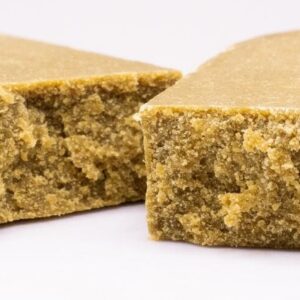
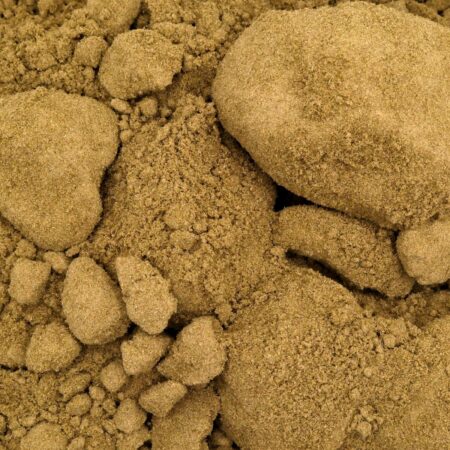
Natural cannabinoids synthesized in the laboratory
As you may have guessed, THM contains only cannabinoids naturally present in hemp. However, these are found in varying concentrations, and some, like CBD-p, are present in very low concentrations.
The composition of THM therefore requires the chemical creation of CBG, CBC, CBN, and CBDP. These are then measured, mixed, and incorporated into the plants.
Is THM stronger than HHC?
As you've probably noticed while reading the description of each of these components, none of the cannabinoids present in THM produce a psychoactive effect. However, almost all of them are capable of producing entourage effects. Some suggest that this type of product could create an effect comparable to, or even stronger than, HHC or HHCPO.
But this effect is supposed to vary from person to person, so if you have tried this product, give your opinion, tell us what you thought of it in the comments!