0 items

THCA: Cannabinoid acid still legal in France

Reading time
⌛
4 min
Have you ever heard of THCA ? If you're here, it's probably because you'd like to know more about it.
What is THC-a? How is it synthesized? What is its role? What is its legal status? What are its effects and specific characteristics? Without further ado, here are the answers to your questions!
Discover our legal CBD derivatives
What is THC-A?
Although it might remind you of THC-P, THCV, and other THCJDs, THC-a is not quite one of these cannabinoids. It is actually a cannabinoid acid, called tetrahydrocannabinolic acid.
How is it synthesized?
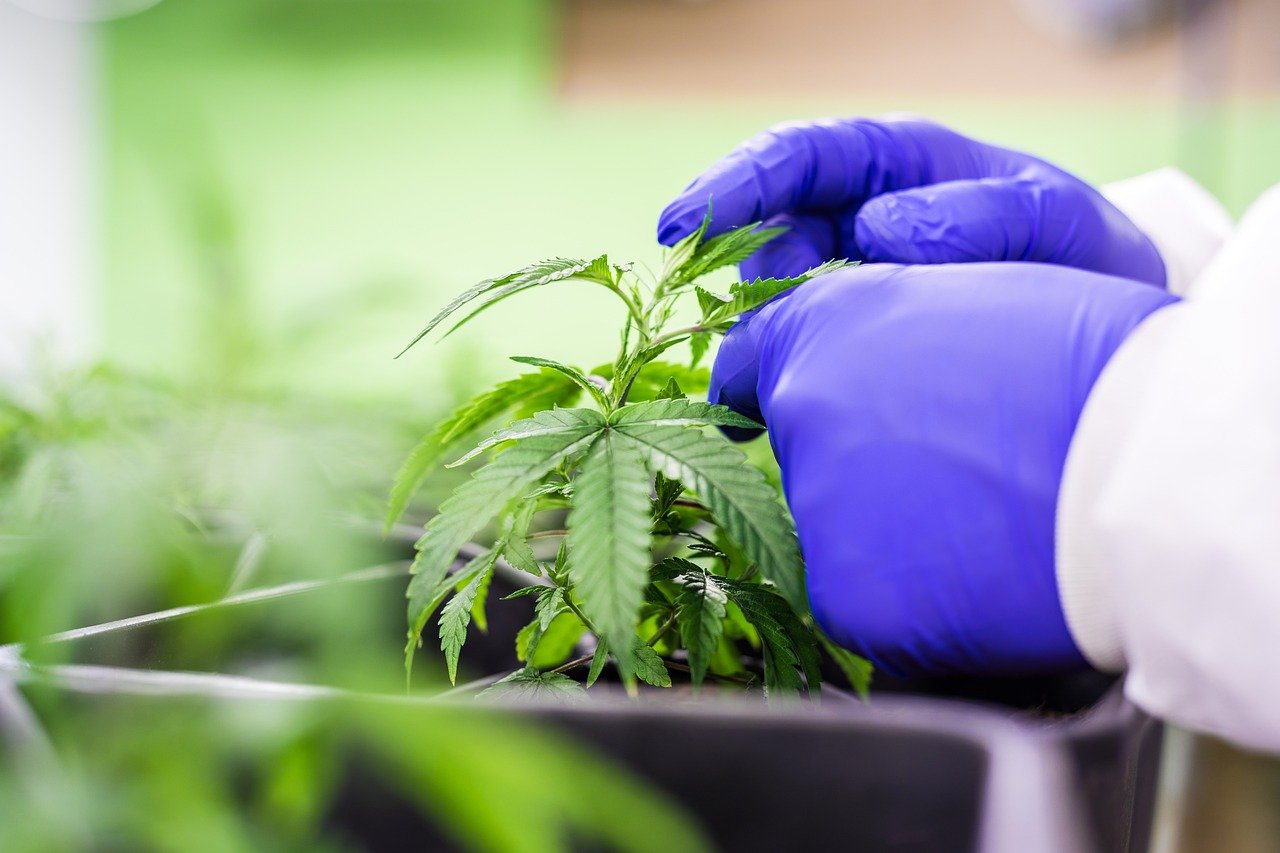
Like most chemical compounds found in hemp and cannabis, THCa is synthesized from CBGA, or cannabigerolic acid, often referred to as the mother cannabinoid. During plant growth, some of the CBGA in the plant is converted into CBGA and THC by enzymes produced by the glandular trichomes.
What is its role?
The role of THCa is to keep cannabis plants healthy. When the plant reaches maturity, THC breaks down the protective membrane of dead, dying, or damaged cells. This allows the old cells to be replaced by new ones.
In humans, this is exactly what the process of programmed cell death describes. This process is very important because it is when this process malfunctions that diseased cells remain active, proliferate, and can lead to cancer.
THCA and THC, what's the difference?
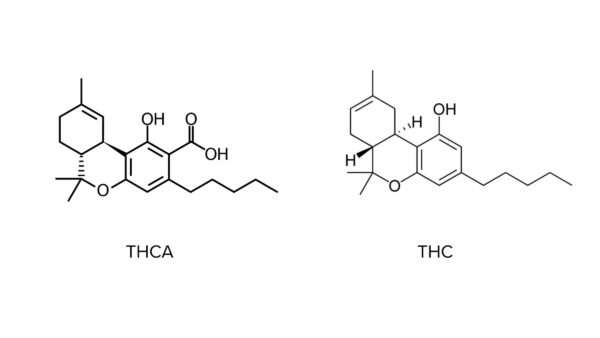
At the molecular level, the structure of THCa is quite similar to that of THC, with one difference: THCa contains two carboxyl groupsboxIn chemistry, it is therefore called 2-COOH-THC.
Theseboxare what differentiate a cannabinoid acid from a cannabinoid. They are very sensitive to heat and light. This is why cannabinoid acids are found naturally only on fresh, undried plants. During drying, light and heat destroy these carboxyl groupsboxa process calledbox. If you've followed this reasoning, THC is therefore created by theboxof 2-COOH-THC (THCa).
During this stage, approximately 70% of the THCa is converted into THC; the remainder is destroyed by heat. If this process continues for an extended period, the THC itself degrades. The four hydrogen groups contained in tetrahydrocannabinol are also destroyed, yielding cannabinol (CBN).
What are the effects of THC A?
As you might have guessed, THCa is sensitive to heat and light; under their influence, it transforms into THC. Therefore, to experience the effects of THCa, you must consume fresh, not dried, cannabis, because if it were smoked, it would automatically be converted during combustion.
According to the limited preliminary research available today, THCa is non-psychoactive. Researchers have estimated that it has only a very weak impact on CB1 and CB2 receptors (approximately 60 times less than THC). However, this does not mean it has no effect, because despite its limited interaction, it is capable of acting on certain mechanisms regulated by the endocannabinoid system, such as: COX-1 release, COX-2 inhibition, TNF-Alpha inhibition, and interleukin-10 release. This means it could have a positive influence on:
- Our body's ability to fight inflammation
- The efficiency of the immune system
- Pain management
- Mood stability
Other preliminary research conducted beforehand has also been able to detect an antiemetic action, that is to say an ability to combat nausea and vomiting, which could make it a valuable molecule in various cases (against car sickness, the side effects of cancer treatments, etc.).
Is THCA legal in France?
Like many other cannabinoids and cannabinoid acids, the legal status of THCa has been somewhat uncertain lately. It was included on the list of "new cannabinoids" classified as narcotics announced on May 22, 2022. "This list notably includes H4-CBD, H2-CBD, and certain synthetic cannabinoids with a chemical core called benzo[c]chromene, such as HHCPO, THCP, and THCA."
But this decision was amended a week later, so that THCa would be excluded from the classification "as long as their THC content complies with the threshold of 0.3% provided for by the decree of December 30, 2021 implementing article R.5132-86 of the public health code."
And in Europe?
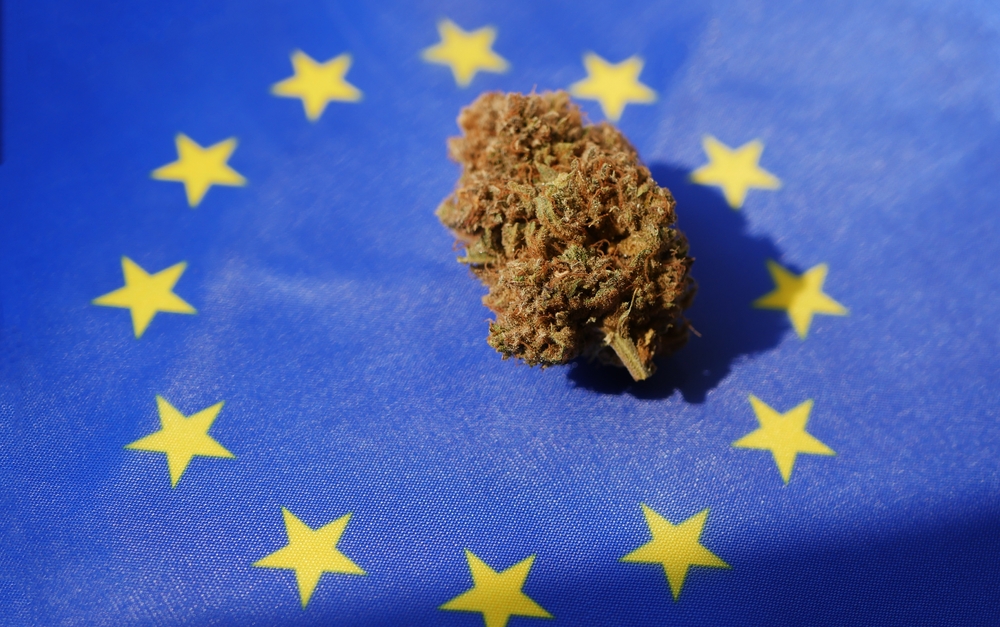
At the European level, no regulation specifically targets THCA, so regulation varies from one state to another.
In most EU member countries, the regulation of THCa is the same as for THC, with the exception of Spain, which practices more permissive regulation and does not regulate it.
This means that, in general, THCA is legal as long as its level does not exceed that authorized for THC.
THCA purchase
The sale of products containing THCa in France is therefore legal as long as the finished product contains less than 0.3% THC.
In theory, this means that if you find edible (food) products or concentrates such as candies, oils and other THCa crystals, they will be totally legal.
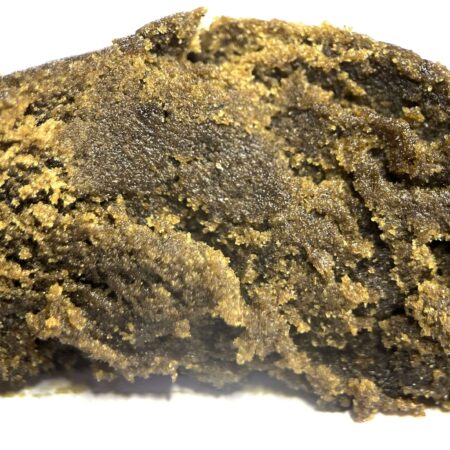
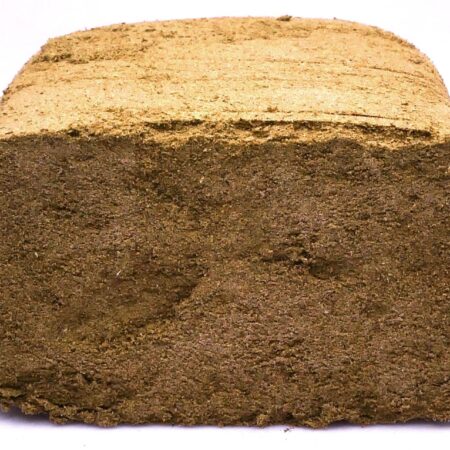
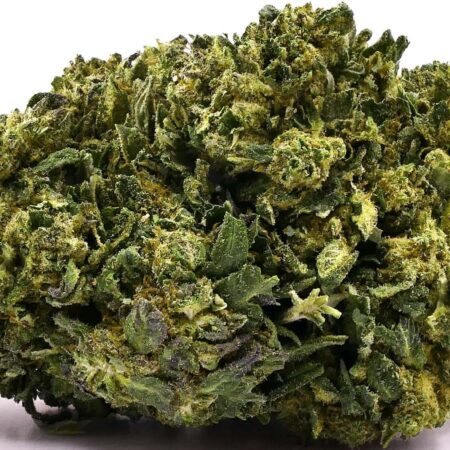
However, things are more unclear when talking about flowers or resins, because as we have seen, THCa degrades into THC under the action of heat and light.
To conclude
THCA is an interesting cannabinoid acid that has attracted the attention of researchers both for its role on mature cannabis plants and for mechanismbox.
Having narrowly avoided a ban, it remains legal, and some shops already sell it in various forms. However, given its potential for degradation into THC, it may not be long before the ANSM (French National Agency for Medicines and Health Products Safety) reconsiders the classification of THCA one last time.
Sources
- [1]
- [2]