0 items

Cali Plate Hash : everything you need to know about premium Californian hash
Reading time
⌛
5 min
In another article, we told you about CBD flowers originating from California, the famous Cali Weed. But guess what? As expected, California didn't just offer us flowers, it also produced hash, a hash whose fame quickly spread throughout the world: Cali Plate Hash.
Why this name, where does its fame come from, and why is it being talked about everywhere right now? We'll tell you everything you need to know about Cali Plate Hash !
But first, if you want to buy Cali plate hash, follow the link!
What is “Cali Plate Hash”?
Originally, Cali Plate referred to a type of resin found on the Californian market, hence the term "cali." Since Californian consumers are known for their high standards of innovation, quality, and concentration, the term "cali" has come to encompass resins specifically formulated for this market. Simply put, cali rhymes with quality.
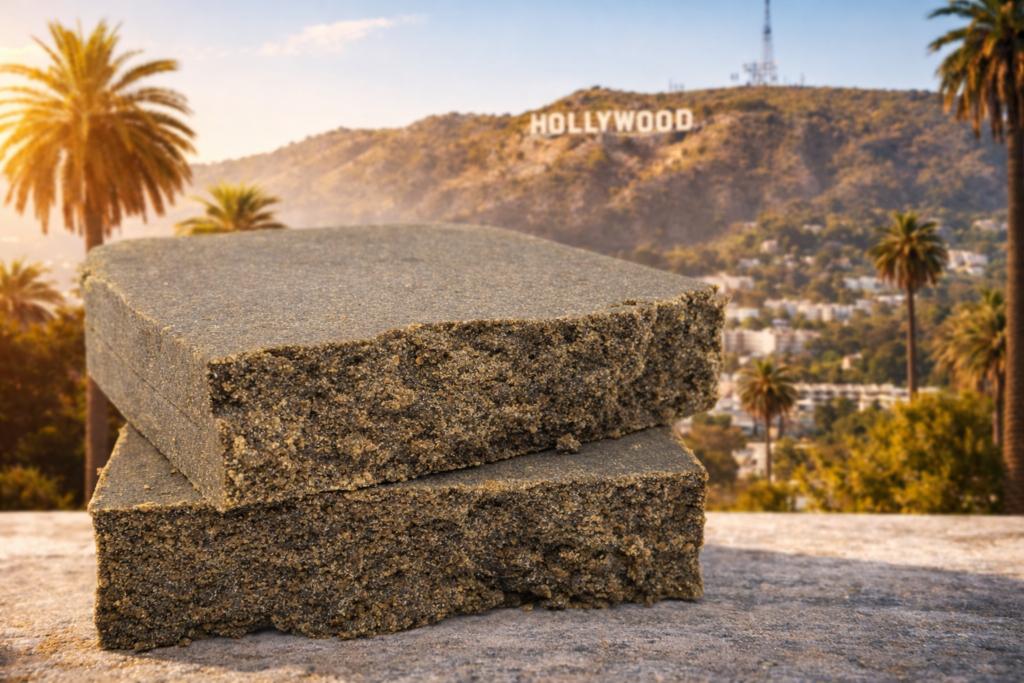
The word "plates" comes from the shape of the resin slabs. Unlike traditional resins found in Europe, which are often brick-shaped, high-end American resins tend to be more frequently presented as thin slabs. These "plates" are presented as representative of premium hash, easy to handle and slice.
In summary, "Cali Plates hash" are high-end resins detailed in plates, and although the word "cali" appears in the name, it is not an indicator of the origin of the production, but rather, fundamentally, a guarantee of quality.

Recognizable visual characteristics
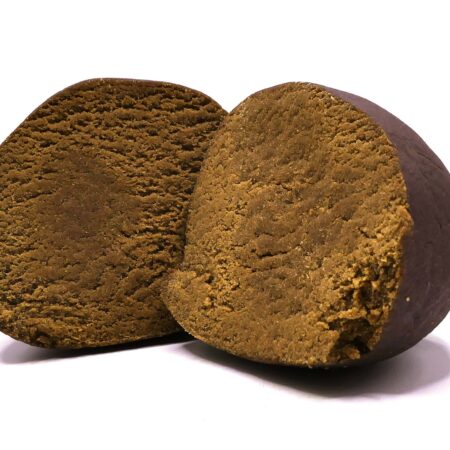
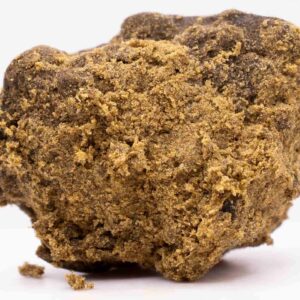
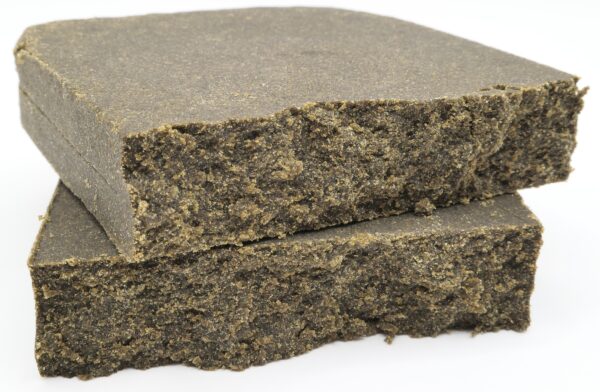
Cali Plates hash is primarily recognizable by its physical and visual characteristics. This high-quality Californian hash can display a fairly wide range of colors, from light to dark brown. It always exhibits solid colors, without marbling, although sometimes a slightly glossy sheen may be visible, indicating a high concentration of trichomes. This is because trichomes, when highly concentrated, tend to crystallize.
More than by its color, Cali Plate is primarily recognizable by its presentation in relatively thin sheets, the result of meticulous and controlled pressing. Performed at a low temperature, this process compresses the trichomes without degrading them or altering the taste or aroma of the resin.
This careful pressing process therefore does not change the external color of the resin. Like the color, the texture may vary, but it generally remains malleable, not very oily, and slightly sticky.
A variable but always intense aromatic profile
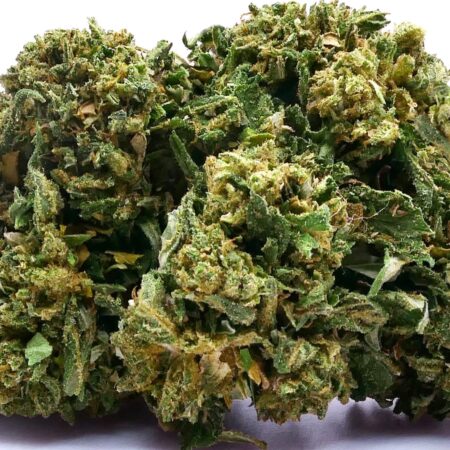
hash can be produced using various extraction techniquesand different strains. This results in a wide range of aromatic and flavor profiles. Some have subtle notes of roasted hazelnuts or vanilla, and sometimes even hints of sweetness. However, the most common profile features earthy flavors, kushy aromas , and a remarkable intensity achieved only by very pure hash, such as 3-star or full melt hash.
This intensity and finesse are easily explained by the quality of Cali Plates: being pure hash, it reaches a very high concentration of trichomes, which are notable for their powerful expression. This potency is also reflected in the effects, because a high concentration of trichomes also means a high concentration of cannabinoids.
The most common Cali Plates resin profiles generally range between 20 and 30% CBD, with a good concentration of secondary cannabinoids that gives it a full spectrum profile and deep, enveloping effects.
A careful, solvent-free extraction method for quality hash
The term Cali Platerefers more to a quality of product than to a product itself. Several types of extraction can be used to produce it.
Generally, the most commonly used techniques are, in checkout:
Dry sifting, or dry sieving, is an age-old technique and the most widely used in CBD production. Essentially, it involves rubbing CBD flowers through increasingly fine sieves to separate larger plant matter from the active compounds (primarily cannabinoids, flavonoids, and terpenes). Using this technique, CBD resin is produced from the final sieving stages, ensuring exceptional quality and concentration.
Static sifting: Static sifting is a hybrid technique. It begins with a sifting similar to dry sifting, but without going through the finest sieves. The still-coarse pollen is collected and rubbed, often by hand, using gloves, on a steel plate. The friction creates static electricity that traps the fine pitems we're interested in: terpenes, cannabinoids, and flavonoids, which are then combined and compressed to create Cali Plates resin.
Fresh frozen sifting: Fresh frozen sifting is a technique relatively similar to dry sifting. The difference lies in using frozen raw material: WPFF (whole plant fresh frozen), meaning hemp plants frozen whole when the flowers have reached maturity. Using whole frozen plants preserves a greater proportion of the cannabinoids, which are not damaged by decarboxylationboxResins made from WPFF have a more pronounced and delicate vegetal flavor.
The three techniques are slightly different from each other, but they share one common point : a solvent-free mechanical extraction. This guarantees a pure and naturally highly concentrated hash.
Cali Plates hash: a guarantee of quality?
Originally, Cali Plate hash wasn't a resin or a specific extraction technique, but rather a product quality criterion and a plate format. However, while this plate format was initially a guarantee of quality, this is no longer necessarily the case today, particularly in the regulated European CBD market.
Cali Plates resins enjoyed considerable success, leading to the production of numerous hashish products under this name. Adapting to demand, some manufacturers created less expensive options to suit tighter budgets, often at the expense of quality.
If you want to ensure you're buying genuine Cali Plate hash, especially from online CBD shops, you can pay attention to a few criteria:
- A price that's neither too high nor too low: the price of hash of careful quality.
- A high concentration but not exceeding 40% CBD: industrial techniques can create hash reaching more than 60% CBD and, while these can be of good quality, they are no longer faithful to the original Cali Plates hash.
- A uniform color that isn't darker on the outside: Cali Plate is the result of a meticulous process combined with low-temperature pressure. A mottled color or a darker layer is a sure sign that this isn't the case.
- A malleable, slightly oily texture: this is not the easiest thing to check when buying online, however, if the photos are of good quality, these criteria are often visible.
FAQ
Why “Cali Plates”?
The name refers to hash adapted to the Californian market, a demanding market, where quality hash was recognized thanks to its presentation in the form of smooth slabs, easy to transport and to detail.
Are Cali Plates hash legal in France?
Traditional American Cali Plates hash is not legal, as it is made from cannabis flowers containing THC. However, CBD Cali Plates hash is legal as long as it contains less than 0.3% THC.
Is the designation a guarantee of quality?
Traditionally yes, however it is not a controlled designation of origin: the quality is therefore not certified solely by the name.
How to recognize a quality Cali Plate hash ?
Several criteria can help identify a quality Cali Plate hash :
- The price: generally quite high.
- The color: solid and without darker areas.
- The texture: malleable, oily and not too sticky.
- The concentration: between 20 and 40% CBD.