CBDOO at your service

Have a question? 06 70 73 89 02
🔞 Not for sale to under 18s
🔥 It's our anniversary: 30% off with the code 7YEARS!!! 🥳 ( excluding accessories and gummies)
Have a question? 06 70 73 89 02
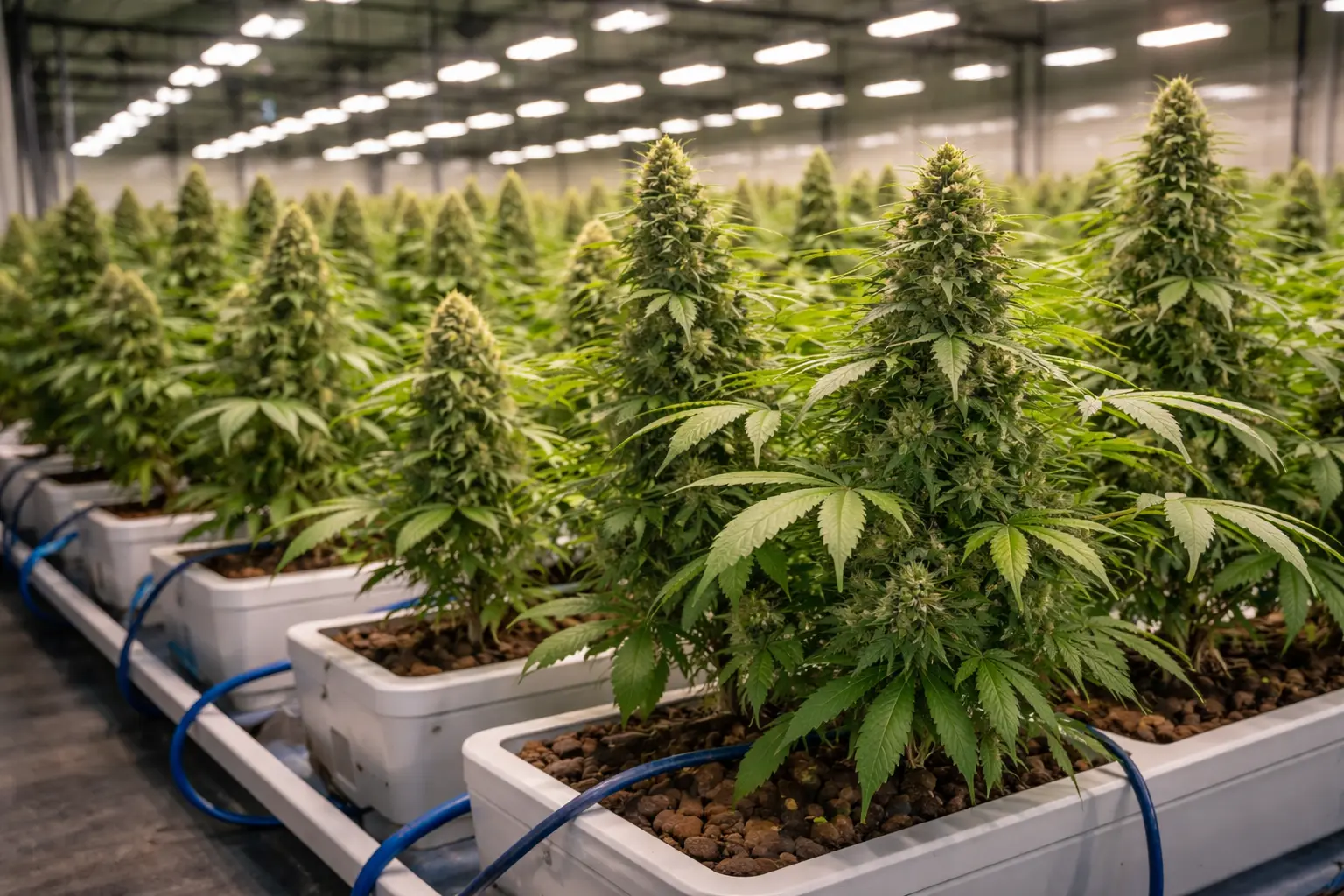
Wondering what hydroponic CBD is? Why is everyone talking about it? Why do many people prefer it to traditional CBD, and which hydroponic flowers should you choose?
In this article, we tell you everything you need to know about hydroponic CBD!
Want to buy hydroponic CBD? Check out our catalog!
Hydroponics is a cultivation technique for CBD flowers, as are outdoor and greenhouse cultivation. The difference with hydroponics is that the flowers do not grow in soil, but directly in water.
It is this distinctive feature that gives the technique its name. Translated from Greek, hydro means water and ponos means cultivation. Hydroponics therefore literally means "cultivation in water." And if you're wondering why the technique has a Greek name, the reason is simple: it's an ancient technique that was already in use at the dawn of our civilization. Several accounts even trace it back to the gardens of Babylon!
Growing crops directly in water is wonderful, but that's not why it's preferred in the CBD. It's primarily because of the quality of the flowers it produces.
In fact, when pushing through the soil, plants must expend energy to grow their roots and seek out the nutrients necessary for their growth.
This is not the case with hydroponics: growing directly in a closed water circuit containing all the nutrients they need, in a controlled atmosphere, with perfect light conditions and protected from any harm, hemp plants devote all their energy to growing their flowers.
The result: hydroponic CBD flowers that are more beautiful, larger, denser, and more concentrated in cannabinoids than with any other technique.
More than just a technique where plants grow in water, hydroponics is an optimized and proven technique based on several points, all designed to grow the most beautiful flowers possible:
The roots are not left freely in the water; they are supported by an inert substrate. This is a material that is only there to support the plant: it provides no nutrients and is sometimes even sterile. The most commonly used substrates are clay balls or rock wool, which support the plant and allow the roots to breathe freely.
This is one of the most precise aspects of hydroponics: beneath the substrate is a water circuit containing a nutrient solution that feeds the plants. This solution contains the perfect proportions of NPK (nitrogen, phosphorus, potassium) and essential microelements (calcium, magnesium, iron, zinc, boron, etc.) for each variety.
But this water circuit also contains an oxygenation system and an adapted pH to provide the best possible feeding conditions.
As we know, the growth of hemp plants is closely dependent on light, its intensity, and day/night cycles. Two systems are often used:
The ideal relative humidity varies from 40 to 60% depending on the phase. During growth, 60–70% is tolerated to promote transpiration. During flowering, it is lowered to 40–50% to prevent mold and botrytis on dense buds. Automatic dehumidifiers and humidifiers maintain this delicate balance 24 hours a day.
Finally, the last point to consider is the ideal temperature according to the genetics of the plants. Sativa plants growing in mountainous regions will tend to require lower temperatures, with more pronounced day/night variations, while indica plants growing in temperate zones will generally require higher temperatures, with less significant variations.
`
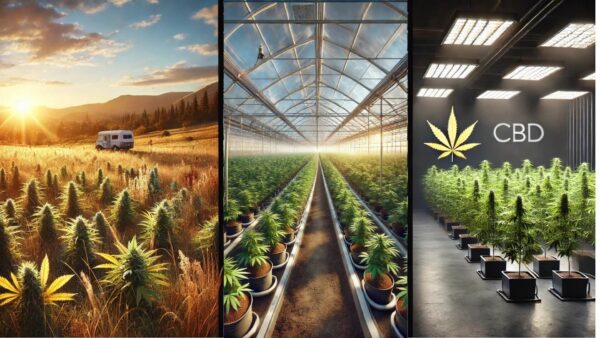
Hydroponic CBD flowers stand out for their quality, aroma, potency, consistency, and price. Here is a comparison table showing these characteristics alongside other methods of growing CBD flowers.
| Culture | Hydroponics | Indoor (on clay) | Greenhouse | Outdoor |
|---|---|---|---|---|
| Features | Above ground, in a nutrient water circuit | In soil, indoors | Under glass (natural light + partial control) | Outdoors, in open ground |
| CBD content (average) | 25 to 30 percent | 20 to 25% | 15 to 20% | 10 to 15% |
| Appearance / aromas | Very dense, very aromatic | Dense, intense aromas | Varies depending on batches and varieties | More rustic, aromas linked to the terroir |
| Consistency of batches | Very stable throughout the year | Stable all year round | Varies depending on the season | Varies depending on the season |
| Average price | The highest | High | Intermediate | The most affordable |
The CBD levels and other characteristics indicated are averages observed on the market and may vary depending on genetics, equipment, and growers. These are general trends: some greenhouse flowers can compete with indoor flowers, and some hydroponic flowers will not necessarily be superior to all indoor flowers.
All hydroponic CBD flowers have their own specific characteristics and are worth discovering. But if we had to choose just three, here are our top 3 hydroponic CBD flowers most appreciated by our customers, based on consumer feedback, ratings, and consistent quality.
 `
`
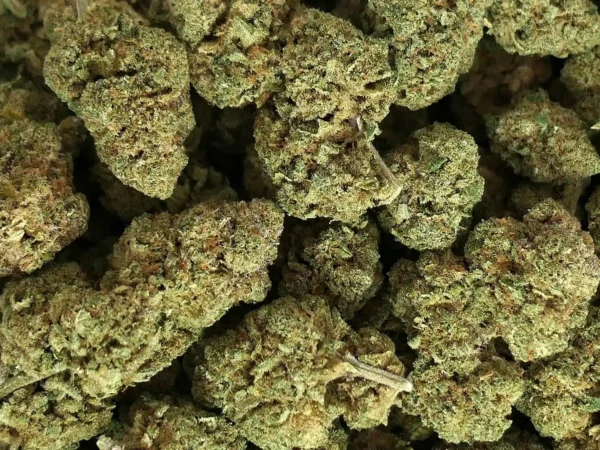
La Cali Kush is one of those strains that needs no introduction: it's a legend. The true queen of the West Coast, it is one of the first Californian strains and remains one of the most renowned.
And its reputation is well deserved. Visually, it immediately stands out with its large, fleshy, resinous buds, which are very light green in color and covered with a thick layer of trichomes that give them a slightly powdery appearance. In terms of taste, its fragrance is tropical and sweet, yet deeper and more powerful. Add to that 25% CBD, and it's safe to say that Cali Kush one of those strains you won't soon forget!
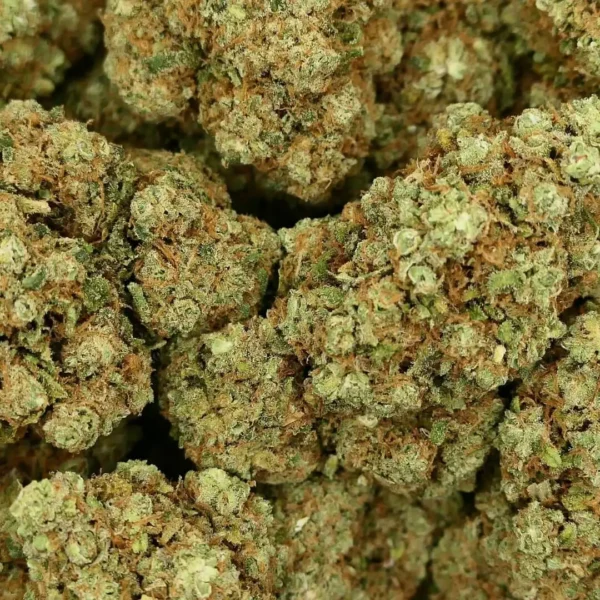
Skywalker OG is a staple of the cannabis scene. Developed in the 1990s, it quickly gained attention thanks to its potency, its aroma combining herbaceous, earthy, and spicy notes, and its fleshy, compact, sticky buds covered in pistils.
Our Skywalker, grown hydroponically, lives up to its genetics. It produces large flowers covered in resin, with a CBD concentration of 25%.
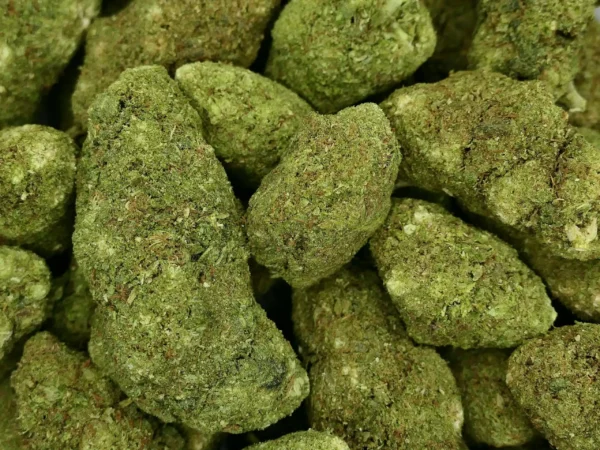
King Frozen is a unique product in the world of CBD: it combines a perfect hydroponic profile with an exceptional cryogenic drying technique. The combination of these two cutting-edge techniques produces a flower with a unique appearance: compact, solid, almost compressed. But it also has an intense, green, herbaceous and deliciously nuanced taste thanks to cryogenics, and above all, an unusual potency thanks to its 25% CBD content and remarkable terpene concentration.
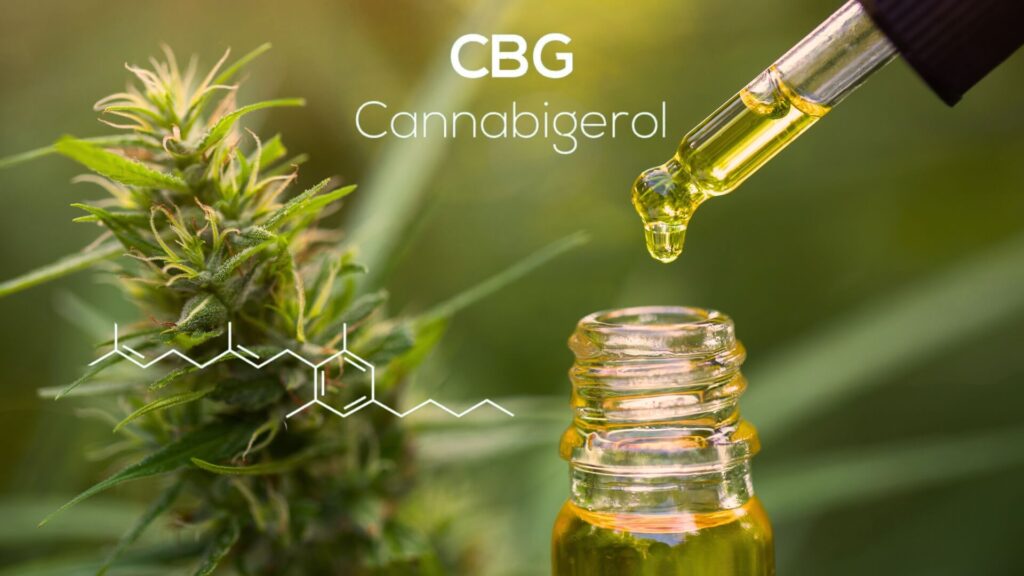
Do you know CBG? Cannabigerol is a primary cannabinoid that is attracting increasing attention. Nicknamed the mother cannabinoid, it plays a key role in the synthesis of other cannabinoids such as CBD and THC. CBG acts directly on CB1 and CB2 receptors, offering unique potential benefits [...].

Before understanding the impact of cannabidiol (CBD) on pain, a few definitions are in order: What is pain? Pain is an "unpleasant sensory and emotional experience". Generally speaking, pain is classified into two categories according to its duration: so-called acute pain, which corresponds to a real "pain signal", and pain [...].
With the free sale of CBD and the decriminalization of THC for medical and recreational purposes in Western countries, medical and commercial research into cannabis is in full swing. More research means more results, and here's one of them, the latest discovery: THC-H [...].